
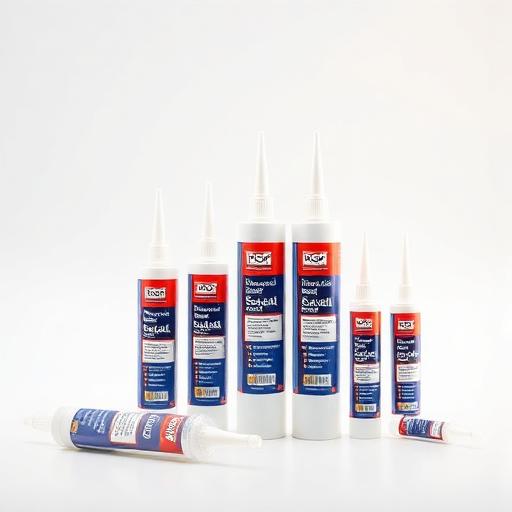
The Critical Role of Marine-Grade Adhesives and Sealants in Douala’s Maritime Industry
In the high-humidity, saline environment of the Gulf of Guinea, the structural integrity of vessels docking at the Douala Port depends heavily on the quality of chemical bonding and sealing agents used during maintenance. Marine-grade adhesives and sealants are not merely "glue"; they are specialized industrial compounds engineered to withstand hydrostatic pressure, UV degradation, and constant exposure to saltwater. For shipyard managers, marine engineers, and maintenance crews in Cameroon, choosing the correct formulation—be it polyurethane, silicone, or epoxy—is the difference between a long-lasting repair and a catastrophic structural failure at sea. As a primary hub for maritime logistics in Central Africa, Douala requires industrial-grade solutions that meet both international ISO standards and local practicalities, ensuring that ships remain seaworthy despite the grueling tropical climate.
Understanding Polyurethane Sealants for Hull and Deck Applications
Polyurethane (PU) is the workhorse of the maritime industry in Cameroon. Known for its incredible tensile strength and elasticity, PU-based sealants like the industry-standard Sikaflex series are essential for both above-water and below-waterline applications. Unlike standard construction sealants found in local markets, marine-grade polyurethanes are designed to cure in the presence of atmospheric moisture, making them ideal for the humid conditions of the Littoral region.
- Structural Bonding: PU adhesives are used to bond hull-to-deck joints, providing a seal that is as strong as a mechanical fastener but with the added benefit of vibration dampening.
- Thru-Hull Fittings: Because polyurethane maintains its seal under water pressure, it is the preferred choice for sealing transducers, intakes, and discharge pipes located below the waterline.
- Longevity in Saltwater: High-quality PU sealants resist the corrosive effects of the Atlantic, preventing salt crystals from penetrating joints and causing internal rot or corrosion.
At Cameroon Safety Supplies, we stock high-performance polyurethane solutions that comply with EN standards, ensuring that Cameroonian shipyards have access to the same technology used in major European ports.
The Versatility of Marine Silicone in Tropical Climates
While polyurethanes excel in structural bonding, marine-grade silicone sealants are indispensable for finishing and gasket applications. In the intense sun of Limbe or Douala, UV radiation can quickly degrade inferior polymers. Marine silicones are specifically formulated to remain flexible and color-stable even after years of exposure to the equatorial sun.
- Window and Hatch Sealing: Silicone’s primary advantage is its flexibility. It allows for the thermal expansion and contraction of glass and plexiglass hatches without losing its waterproof seal.
- Insulation and Gasketing: Because silicone is non-conductive, it is frequently used in electrical junction boxes on ships to prevent short circuits caused by humid sea air.
- Ease of Removal: Unlike epoxy or some PUs, silicone is easier to remove during routine maintenance, making it ideal for components that require periodic inspection.
It is important to note that silicone should never be used on surfaces that require painting, as paint will not adhere to it. For projects in Cameroon requiring a paintable finish, hybrid MS polymers are often recommended as an alternative.
Epoxy Resins: Heavy-Duty Repair and Structural Reinforcement
When it comes to permanent structural repairs—such as fixing a cracked fiberglass hull or reinforcing a metal bulkhead—epoxy resins are the gold standard. Unlike sealants, which are designed to flex, marine epoxies are designed to become part of the vessel's structure. In the busy shipyards of Douala, epoxy is frequently used for resin infusion, blister repair (osmosis), and bonding dissimilar materials like wood to fiberglass.
The chemical resistance of epoxy makes it impervious to fuel, oil, and most cleaning chemicals used in industrial engine rooms. In the Cameroonian context, where downtime in the port can cost thousands of FCFA per hour, using a fast-curing, high-strength epoxy ensures that vessels return to service as quickly as possible. We provide multi-part epoxy systems that are optimized for high-temperature application, ensuring the resin doesn't "cook" or become brittle in the 30°C+ heat typical of the Wouri estuary.
Technical Standards and Regulatory Compliance in Cameroon
Safety and quality control in the maritime sector are overseen by various bodies, including the Ministry of Transport and the Ministry of Labour and Social Security (MINTSS). Adhering to international standards is not just about performance; it is a matter of legal compliance for vessels operating in international waters. When procuring adhesives and sealants for industrial use in Cameroon, procurement officers should look for the following certifications:
- ISO 11600: Specifies requirements for sealants used in building construction, often adapted for maritime deck structures.
- ASTM C920: An American standard for elastomeric joint sealants, widely recognized by oil and gas contractors operating in the Rio del Rey basin.
- Wheelmark (MED) Certification: Essential for equipment used on European-flagged vessels, ensuring the product meets the Marine Equipment Directive for fire safety and low toxicity.
Using sub-standard, non-certified adhesives to save on initial costs—often referred to as "street-grade" chemicals—leads to premature failure, potential leaks, and expensive dry-docking fees that far outweigh the price of premium industrial products.
Application Best Practices for Douala Shipyards
The success of any marine adhesive or sealant depends 20% on the product and 80% on the preparation. Given the oily, salty environment of the Douala port area, following a strict application protocol is vital for any industrial project.
First, surfaces must be mechanically cleaned and degreased. Salt deposits must be washed away with fresh water before using a chemical cleaner like acetone or specialized primers. In the high humidity of Cameroon, it is also crucial to monitor the "dew point" to ensure that moisture is not trapped between the substrate and the adhesive, which can lead to "delamination" or bond failure. For large-scale industrial applications, Cameroon Safety Supplies recommends the use of pneumatic caulking guns to ensure a consistent bead and professional-grade compaction within the joint.
Why Source Marine Adhesives Locally from Cameroon Safety Supplies?
Sourcing industrial chemicals in Cameroon can be challenging due to counterfeit products and expired stock. Cameroon Safety Supplies serves as a reliable bridge between international manufacturers and local industries. By maintaining temperature-controlled storage and sourcing directly from verified global brands, we ensure that the adhesives and sealants you receive are within their shelf life and perform exactly as specified in their technical data sheets (TDS).
Whether you are performing emergency repairs on a fishing trawler in Limbe, maintaining a container ship at the Douala Port, or working on offshore platforms near Kribi, having the right chemical tools is non-negotiable. Our team understands the local logistical challenges and offers competitive FCFA pricing for bulk industrial orders, helping your operations stay within budget without compromising on the safety and longevity of your fleet.
Order from Cameroon Safety Supplies
Are you looking for high-performance marine adhesives, polyurethane sealants, or industrial epoxy resins for your next maritime project in Douala, Kribi, or Limbe? Don't risk your vessel's integrity with inferior products. Contact our technical sales team today to discuss your specific requirements and receive a comprehensive quote tailored to your industrial needs.
Visit our offices in Douala or Yaoundé, or get a free quote online for your PPE and industrial chemical supplies. We offer fast delivery across Cameroon and expert advice on product compatibility and international safety standards.