
The Critical Role of Precision: Calibrating Test Instruments in Cameroon
In the rapidly industrializing landscape of Cameroon, from the bustling pharmaceutical labs in Douala to the geotechnical testing centers in Yaoundé, the accuracy of test instruments is the bedrock of operational safety and regulatory compliance. Whether you are measuring the voltage of a transformer, the pressure within a hydroelectric turbine at Nachtigal, or the ambient temperature of a cold chain storage facility for vaccines, the number displayed on your screen must be trustworthy. Calibration—the process of comparing a device’s readings against a known standard—is not merely a technical formality; it is a vital safeguard against industrial accidents, financial loss, and legal liability.
For Cameroonian enterprises, the challenge of maintaining precise instrumentation is often compounded by high humidity, fluctuating power grids, and the physical wear of transport across diverse terrains like the Western Highlands or the coastal plains. As industries strive to meet international benchmarks and local mandates set by the Ministry of Labour and Social Security, understanding the lifecycle of calibration becomes essential. Testing without recent calibration is essentially guessing, and in high-stakes environments like oil and gas processing in Limbe or civil engineering projects in Bafoussam, guessing is never an option. Partnering with a domestic leader like Cameroon Safety Supplies ensures that your teams are equipped with the right tools that meet these rigorous technical requirements.
Essential Instruments Requiring Calibration in the Cameroon Market
Modern laboratories and field operations in Cameroon rely on a diverse array of sensors and meters. Each category has specific vulnerabilities that can cause "drift"—the gradual loss of accuracy over time. The primary instruments requiring regular attention include:
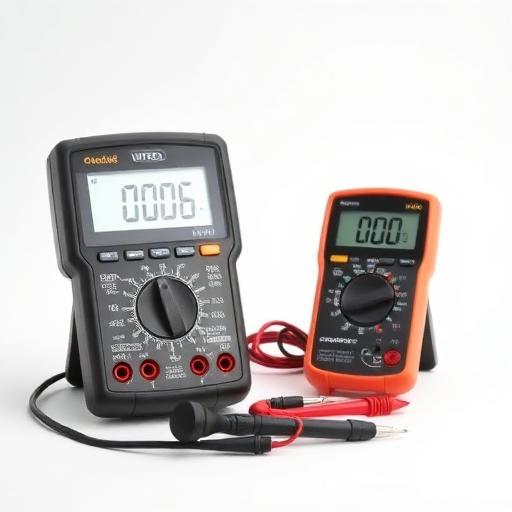
- Electrical Multimeters and Clamp Meters: Crucial for the maintenance of ENEO infrastructure and building services. Over time, internal components can degrade, leading to incorrect voltage or current readings that could result in electrical fires or equipment damage.
- Pressure Gauges and Transducers: Widely used in the maritime sector at the Douala Autonomous Port and in industrial boilers. An uncalibrated gauge might fail to signal a dangerous over-pressure state, leading to catastrophic vessel failure.
- Temperature Data Loggers and Thermometers: Essential for the food processing and pharmaceutical sectors. In Cameroon’s tropical climate, ensuring that a cold room stays at a precise +2°C to +8°C is critical for protecting millions of FCFA in inventory.
- Torque Wrenches and Force Gauges: Vital for the automotive assembly and heavy machinery industries where structural integrity depends on precise tensioning.
ISO/IEC 17025: The Gold Standard for Laboratory Competence
In the world of metrology, ISO/IEC 17025 is the international standard that specifies the general requirements for the competence of testing and calibration laboratories. For a laboratory in Cameroon to be recognized globally, it must adhere to these stringent protocols. This standard ensures that the lab has a robust quality management system and the technical ability to produce precise and accurate test data.
When sourcing calibration services, Cameroonian businesses must look for "Traceability." Traceability means the result of a measurement can be related to a national or international standard (such as NIST or SI units) through an unbroken chain of comparisons. This is particularly important for companies exporting goods from Cameroon to the European Union or the United States, where proof of calibrated measurement is often a prerequisite for customs clearance and quality certification.
Determining Calibration Intervals: When and Why?
A common question among facility managers in Douala and Yaoundé is: "How often should I calibrate my instruments?" While many manufacturers suggest a standard 12-month interval, the frequency should actually be determined by several local factors:
- Frequency of Use: An instrument used daily on a construction site in Kribi will require more frequent checks than one used monthly in a controlled laboratory.
- Environmental Conditions: Cameroon’s high humidity and salt air in coastal regions can accelerate the corrosion of electronic contacts and mechanical parts, necessitating shorter intervals.
- Criticality of Measurement: If a 0.5% error in measurement could lead to a life-threatening situation or a loss of millions of FCFA, the instrument should be calibrated every six months or even quarterly.
- Historical Trend Data: If an instrument has consistently remained within tolerance for three years, the interval can sometimes be extended. Conversely, if it frequently fails, the interval must be shortened.
In-Country Calibration vs. International Shipping
Historically, many specialized instruments from Cameroon had to be shipped to Europe or South Africa for certified calibration. However, this poses significant hurdles:
The Cost of Logistics: Shipping sensitive equipment internationally involves high freight costs, insurance, and the risk of damage during transit. Furthermore, the clearing process at Douala port can sometimes add weeks to the turnaround time.
Operational Downtime: Sending a primary multimeter abroad can leave a maintenance team "blind" for a month or more. This necessitates purchasing expensive backup units to maintain operations.
The Rise of Local Capacity: There is a growing movement to strengthen in-country metrology. By utilizing local suppliers and regional calibration centers that align with international standards, Cameroonian firms can save significant amounts of FCFA while supporting the local technical economy. Using a vendor like Cameroon Safety Supplies helps streamline the acquisition of high-quality, pre-calibrated instruments, ensuring you start your projects with equipment that is already compliant.
Compliance with Ministry of Labour and Social Security (MINTSS)
In Cameroon, workplace safety is governed by strict regulations enforced by the Ministry of Labour and Social Security. Law No. 92/007 (The Labour Code) and subsequent decrees mandate that employers provide safe working conditions and regularly maintained equipment. If an industrial accident occurs and it is discovered that the safety valves or monitoring instruments were not calibrated, the company faces severe legal repercussions, including heavy fines and the potential suspension of their business license.
Beyond the legal aspect, there is the insurance perspective. Most major insurers operating in Central Africa require proof of regular equipment maintenance and calibration before they will honor claims related to fire, machinery breakdown, or professional indemnity. Keeping a detailed "Calibration Registry" is no longer optional; it is a core component of modern Cameroonian business management.
Order from Cameroon Safety Supplies
Ensuring your laboratory and field instruments are accurate is the first step toward a safer and more profitable operation. At Cameroon Safety Supplies, we understand the unique logistical and environmental challenges faced by industries across Cameroon. We provide top-tier testing instruments that meet international ISO and ANSI standards, ensuring your team has the tools they need to perform with precision.
Don't risk your safety or your reputation on unverified measurements. Whether you are based in Douala, Yaoundé, or anywhere in the CEMAC region, our experts are ready to assist you with the highest quality PPE and technical safety equipment.
Contact us today to secure your operations: