
Modern Plumbing Solutions for Construction Projects in Cameroon
The construction sector in Cameroon is experiencing a significant boom, visible in the rising skylines of Akwa in Douala and the expanding residential estates in Bastos, Yaoundé. For project managers, engineers, and property developers, the integrity of a new build often rests on what is hidden behind the walls: the plumbing system. Selecting the right plumbing supplies is not merely a matter of cost but a critical decision affecting the longevity of the structure, water hygiene, and compliance with local urban planning regulations. In a climate characterized by high humidity in littoral regions and varying water pressure issues in the highlands, choosing inferior materials can lead to catastrophic leaks, mold growth, and expensive retrofitting within just a few years of completion.
Sourcing high-quality plumbing components in Cameroon requires an understanding of both international standards (like ISO and EN) and the specific environmental challenges of the CEMAC region. From high-rise commercial blocks to luxury villas, the selection of piping, valves, and water heating systems must be strategic. At Cameroon Safety Supplies, we recognize that safety on a construction site extends beyond personal protective equipment; it includes the safety and reliability of the utility systems being installed. This guide explores the essential plumbing supplies for modern Cameroonian construction and how to optimize your procurement for maximum durability.
PPR vs. PVC: Choosing the Right Piping Material
One of the most frequent debates on Cameroonian construction sites involves the choice between PVC (Polyvinyl Chloride) and PPR (Polypropylene Random Copolymer). Each material serves a specific purpose, and misapplying them is a common cause of system failure.
- PPR Pipes for Hot and Cold Water: PPR has become the gold standard for pressurized water supply in Douala and Yaoundé. Unlike traditional galvanized pipes, PPR is resistant to corrosion and scale buildup. It uses heat fusion welding, creating a monolithic joint that is virtually leak-proof. This is essential for the high-pressure environments of multi-story buildings.
- PVC Pipes for Drainage and Sewage: While PPR dominates the supply side, PVC remains the king of waste management. In Cameroon, Class 1 or Class 2 PVC is typically used for soil, waste, and vent (SWV) systems. Its lightweight nature and chemical resistance make it ideal for transporting greywater and sewage to septic tanks or municipal lines.
- CPVC (Chlorinated PVC): Often used as an alternative for hot water lines, CPVC can withstand higher temperatures than standard PVC, though many local contractors prefer PPR for its superior joint strength in the tropical heat.
When sourcing these materials, always check for wall thickness. Substandard, "thin-wall" pipes are common in local markets but often fail under the pressure of Cameroon’s urban water utility (Camwater) or private borehole pumps.
State-of-the-Art Valves and Flow Control
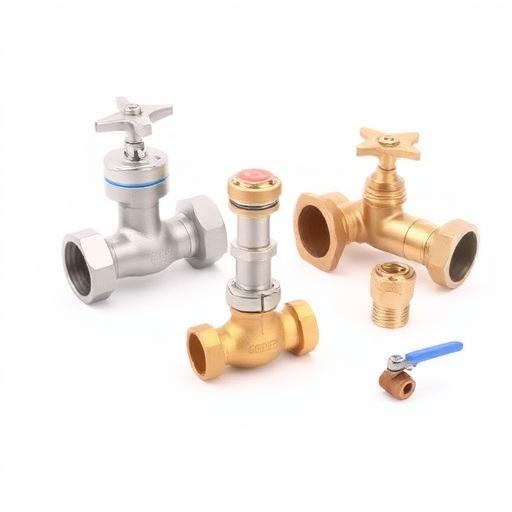
The efficiency of a plumbing system is defined by its ability to isolate sections for repair and manage pressure. In Cameroon, where water supply can be intermittent, the installation of robust valve systems is non-negotiable. High-quality brass or stainless steel valves are recommended to prevent the "sticking" common with cheap iron components due to mineralization.
- Gate and Ball Valves: Ball valves are increasingly preferred for residential builds because they provide a quick 90-degree shut-off and are less prone to leaking over time compared to traditional gate valves.
- Check Valves (Non-Return): Crucial for projects incorporating overhead water tanks. These prevent the backflow of water, ensuring that your reserve doesn't drain back into the municipal line during a supply cut.
- Pressure Reducing Valves (PRV): In hilly areas of Yaoundé or Bafoussam, gravity-fed systems can create excessive pressure in lower-floor apartments. PRVs are essential to protect faucets and appliances from "water hammer" damage.
Water Heating Solutions: Electric vs. Solar
With the rising cost of electricity in Cameroon, developers are shifting toward more energy-efficient water heating methods. The choice of heater impacts the initial plumbing layout and the long-term operational costs for the building owner.
Electric Storage Tanks: These remain the most common choice in cities like Limbe and Kribi. Brands conforming to European safety standards are preferred to prevent electrical hazards in damp environments. Ensure that every installation includes a temperature and pressure (T&P) relief valve.
Solar Water Heaters: Given Cameroon's geographical location, solar thermal energy is a highly viable option. Large-scale residential projects are now integrating rooftop solar collectors. While the initial investment in FCFA is higher, the ROI is realized through zero monthly operational costs for hot water. This requires specific "heavy-duty" insulated piping to transport water from the roof to the tap without significant heat loss.
Sanitary Fittings and Installation Standards
The "finish" of a plumbing project involves the installation of faucets, toilets, and showers. Beyond aesthetics, water conservation is becoming a regulatory focus for the Ministry of Housing and Urban Development. Low-flow aerators and dual-flush toilets are no longer luxury items; they are practical necessities to manage water bills and septic capacity.
When installing these fixtures in coastal areas like Douala, the high salinity in the air can corrode chrome plating within months. Specifying high-grade PVD (Physical Vapor Deposition) finishes or brushed stainless steel ensures the fittings maintain their appearance and functionality for years. Proper sealing with industrial-grade silicone, rather than cheap alternatives, prevents the seepage that leads to structural "wall dampness," a common complaint in Cameroonian apartments.
Compliance and Sourcing Tips for Cameroon Sites
Navigating the supply chain in Cameroon requires a balance between budget and quality. Large-scale projects cannot afford the downtime caused by inferior fittings or delayed deliveries. To ensure success, adhere to the following procurement strategies:
- Check Standards Compliance: Ensure all pipes and fittings carry ISO certification markings. For safety-critical systems, look for the CE or NF mark, which guarantees the product has undergone rigorous testing.
- Account for Import Lead Times: While local markets in Douala (such as Marché Congo) have stock, specialized industrial valves or high-volume orders for PPR often require 4-8 weeks for importation. Plan your "rough-in" phase early.
- Verify Authenticity: Counterfeit plumbing supplies are a significant issue. Buying from an established vendor ensures that the copper alloy in your valves is actually copper and not a brittle, painted substitute.
- Regulatory Alignment: Ensure your plumbing design aligns with the *Décret n° 2013/033* regarding urban construction norms in Cameroon. This includes proper distance between septic systems and boreholes to prevent groundwater contamination.
As a leading partner for industrial and construction needs, Cameroon Safety Supplies supports major projects across the country by providing high-quality components and safety gear. We understand that a safe worksite is one that uses materials that won't fail under pressure.
Calculating Costs and Contingencies
Budgeting for plumbing in Cameroon typically accounts for 8% to 12% of the total construction cost. This budget should always include a 10% contingency for "unforeseen ground conditions," especially during the rainy season when trenching for external sewage lines can become complicated. In regions like the West or Northwest, rocky terrain might require specialized heavy-duty HDPE (High-Density Polyethylene) pipes for subterranean runs, which are more resilient to soil movement than standard PVC.
Furthermore, consider the cost of labor. A professional plumber certified by a vocational center is worth the higher daily rate compared to an unskilled laborer. The complexity of heat-fusion for PPR pipes, in particular, requires technical precision to avoid "internal beads" that can restrict water flow.
Order from Cameroon Safety Supplies
Reliable plumbing is the backbone of any successful construction project. Whether you are building a commercial warehouse in the Douala Port zone or a residential complex in Yaoundé, using premium materials is the only way to avoid future liabilities. Cameroon Safety Supplies provides top-tier safety equipment and can facilitate the sourcing of high-standard industrial supplies for your development needs.
Don't compromise on the integrity of your build. Contact our expert team today for professional advice on material selection and logistics across Cameroon.
Ready to equip your site? Get a free quote for your project requirements and ensure your construction meets the highest international safety and quality standards.