
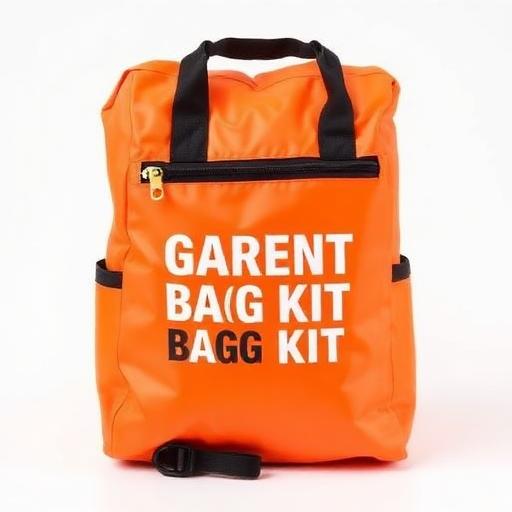
Prepare for the Unexpected: Your Essential Emergency Grab Bag in Cameroon
In Cameroon's dynamic environment, from the bustling streets of Douala to the remote industrial sites near Kribi and the ever-present seasonal weather variations, preparedness isn't just a best practice – it's a necessity. Cameroon Safety Supplies understands the unique challenges faced by businesses and individuals across the nation. That's why we're dedicating this guide to a critical, yet often overlooked, aspect of safety: the emergency grab bag. Whether you're a procurement manager equipping your fleet, an HSE professional safeguarding your office in Yaoundé, or a site manager ensuring worker safety in Garoua, a well-stocked emergency grab bag can be the difference between a minor inconvenience and a significant crisis.
This comprehensive guide will detail the essential items you need to include in your emergency grab bag for vehicles, offices, and even remote sites within Cameroon. We'll focus on practical, locally relevant solutions that meet international safety standards (EN, ANSI, ISO) and address the specific risks in our region. From basic first aid to critical communication tools, let's ensure your personnel are ready for anything.
Why Every Vehicle and Office in Cameroon Needs an Emergency Grab Bag
Think about the scenarios: a sudden road closure on the N3, an unexpected power outage affecting your Limbe facility, a localized natural event near a project site, or even a medical emergency far from immediate assistance. In such situations, having immediate access to critical supplies can save time, mitigate injuries, maintain communication, and ultimately, save lives. A grab bag – often called a "go-bag" or "bug-out bag" – is designed for quick deployment, containing the essentials for survival and self-sufficiency for at least 72 hours.
For businesses, this translates directly to business continuity and employee welfare. Compliance with local labor laws often includes provisions for workplace safety. Providing adequately equipped emergency kits demonstrates a commitment to employee well-being, strengthens your safety culture, and can significantly reduce liability. For vehicles, especially those traveling long distances or to remote areas, a grab bag is as vital as a spare tire and a full tank of fuel.
Category 1: Essential First Aid and Medical Supplies
Beyond the standard workplace first aid kit, an emergency grab bag needs to address more severe injuries and medical needs when professional help might be delayed. All medical supplies should adhere to local regulations and ideally meet international standards:
- Comprehensive First Aid Kit: This should go beyond plasters. Include antiseptic wipes, various sizes of sterile gauze pads, adhesive tape, elastic bandages (e.g., crepe bandages for sprains), triangular bandages, medical shears, tweezers, safety pins, instant cold packs, and burn gel. Consider a tourniquet for severe bleeding (ensure proper training for use).
- Pain Relievers & Anti-inflammatories: Paracetamol (acetaminophen) and ibuprofen are essential for managing pain and reducing inflammation.
- Antihistamines: For allergic reactions, especially crucial given various environmental triggers in Cameroon.
- Antiseptic Creams/Ointments: For minor cuts, scrapes, and insect bites to prevent infection.
- Prescription Medications: If any personnel have critical daily medications (e.g., for diabetes, asthma, heart conditions), a 3-5 day supply should be in their personal grab bag, or a designated, clearly labeled kit for the team.
- Hand Sanitizer & Disposable Gloves: Crucial for maintaining hygiene when administering first aid.
- Emergency Blanket (Foil/Mylar): For treating shock or maintaining body temperature in cooler conditions.
- Basic Eye Wash Solution: For flushing irritants from eyes.
Cameroon Safety Supplies Recommendation: We offer a range of ISO-certified first aid kits from leading brands, customizable to your specific industry and risk profile. We can also advise on specific medical consumables suitable for Cameroon's climate.
Category 2: Water and Food – The Lifeline Essentials
Access to clean water and sustenance is paramount. Dehydration and hunger can quickly impair decision-making and physical capabilities.
- Water: Aim for at least 3-4 liters per person per day for drinking and basic hygiene. Bottled water is ideal for offices and vehicles. For remote sites, consider purification tablets or a portable water filter (e.g., Lifestraw or Sawyer Mini) which can turn suspect water sources into potable water.
- Non-Perishable Food: Energy bars, granola bars, dried fruit, nuts, and high-calorie survival biscuits are excellent choices. They are lightweight, compact, and have a long shelf life. Avoid anything that requires cooking or refrigeration. Rotate these items every 6-12 months to ensure freshness.
- Waterproof Container for Matches/Lighter: If venturing into areas where a fire might be needed for warmth or cooking (unlikely in an office, but possible in a remote vehicle breakdown).
Cameroon Safety Supplies Recommendation: Inquire about our bulk supply of bottled water for your facilities and vehicles. We also stock survival food rations optimized for emergency scenarios.
Category 3: Communication and Navigation Tools
Staying connected and oriented during an emergency is vital for calling for help, informing others, and finding your way to safety.
- Fully Charged Power Bank & Cables: With multiple ports to charge mobile phones, ensuring you can call emergency services or colleagues. Include charging cables for various device types (USB-C, Micro-USB, Lightning).
- Whistle: A simple, effective signaling device to attract attention without expending much energy.
- Emergency Radio (Hand-Crank/Battery-Powered): Essential for receiving official alerts and news, especially during power outages. Look for models with NOAA weather alerts if applicable to your region or simply AM/FM bands for local broadcasts.
- Headlamp or Flashlight (with extra batteries): LED models are energy-efficient. Ensure batteries are stored separately or checked regularly to prevent leakage. For vehicles, a durable, high-lumen flashlight is invaluable.
- Local Maps & Compass: Even with GPS, physical maps are crucial if electronic devices fail. Keep a detailed map of your operating area (e.g., Douala and its surrounding industrial zones, or the N3 corridor between Douala and Yaoundé).
- List of Emergency Contacts: Company emergency numbers, local police (117), fire services (118), ambulance (119), key personnel, and family contacts. Laminate or store in a waterproof bag.
Cameroon Safety Supplies Recommendation: We supply a range of robust, battery-operated and hand-crank emergency radios and high-output LED flashlights ideal for industrial and personal use. Enquire about our GPS units for fleet management and remote work teams.
Category 4: Shelter and Personal Protection
Depending on the location and duration of the emergency, protection from the elements is crucial.
- Lightweight Rain Poncho/Emergency Blanket: For protection against rain or to serve as a makeshift shelter.
- Work Gloves: Durable gloves (e.g., EN 388 certified) for handling debris, protecting hands from cuts and abrasions.
- N95 Respirator Masks: To protect against dust, smoke, or airborne particles, which can be critical if air quality deteriorates due to environmental events or industrial accidents.
- Sunscreen & Insect Repellent: Given Cameroon's climate, protection from UV rays and insects is vital, especially if exposed for extended periods. Consider tropical strength repellents.
- Durable Footwear: If not already wearing, sturdy shoes are essential for navigating uneven terrain or debris. Keep a pair in your office grab bag.
Cameroon Safety Supplies Recommendation: Explore our range of PPE, featuring EN-certified gloves and respirators, and high-quality rain gear perfectly suited for Cameroon's environment.
Category 5: Tools and Multi-Purpose Items
Practical tools can assist with various tasks, from minor repairs to gaining entry or creating leverage.
- Multi-Tool: A good quality multi-tool with pliers, knife, screwdriver bits, and can opener is incredibly versatile.
- Duct Tape: Indispensable for repairs, sealing, and makeshift solutions.
- Rope/Paracord: A few meters of strong rope can be used for securing, lifting, or marking.
- Pen and Notepad: For leaving messages, making notes, or general communication.
- Emergency Whistle/Signaling Mirror: Again, for attracting attention, especially useful in open areas or near large bodies of water (e.g., for maritime operations or near Lake Chad).
Cameroon Safety Supplies Recommendation: Cameroon Safety Supplies offers durable multi-tools and high-strength ropes from reputable industrial suppliers.
Category 6: Essential for Vehicles – Beyond the Basics
For vehicles traversing Cameroon's diverse landscapes, often facing challenging road conditions, additional items are crucial for breakdowns or accidents.
- Jumper Cables: For battery issues.
- Basic Tool Kit: Wrenches, screwdrivers, tire gauge.
- Tire Repair Kit & Portable Air Compressor: Especially if traveling to remote areas without easy access to vulcanizers.
- High-Visibility Vest (EN ISO 20471 Certified): For occupants to wear if they need to exit the vehicle on a roadside, especially critical at night or in low visibility (e.g., fog in the highlands).
- Warning Triangle/Road Flares: To alert oncoming traffic of a stationary vehicle. EN 471 or equivalent standards are recommended.
- Portable Fire Extinguisher (ISO Certified): A small ABC rated extinguisher can contain minor vehicle fires.
- Small Shovel/Entrenching Tool: For clearing debris or if stuck in mud or sand (common on unpaved roads).
- Tow Rope/Strap: For vehicle recovery.
- Cash in Small Denominations (FCFA): For fuel, minor repairs, or necessities where electronic payments are not an option, particularly in rural areas.
Cameroon Safety Supplies Recommendation: We provide full vehicle safety kits incorporating ISO-certified fire extinguishers, EN-compliant hi-vis garments, and robust recovery gear, alongside our comprehensive ship chandling supplies for maritime vessels at the Port of Douala and Kribi.
Maintenance and Customization: Keeping Your Grab Bag Ready
A grab bag is only effective if it's well-maintained and tailored to its purpose. Here are some critical considerations:
- Regular Checks: Conduct quarterly checks of all grab bags. Inspect for expired items (especially food and medication), damaged packaging, and battery levels.
- Rotation: Rotate food and water supplies to ensure freshness. Note expiration dates clearly.
- Training: Ensure all personnel who might need to use a grab bag are trained on its contents and basic first aid.
- Weatherproofing: Store items in waterproof bags within the grab bag. A durable, recognizable backpack is ideal.
- Personalization: While corporate grab bags provide general essentials, encourage employees to add personal items like prescription glasses, extra contact lenses, sanitary products, or comfort items.
- Location: Store grab bags in easily accessible locations – under office desks, near emergency exits, or in designated spots in vehicles. They should not be locked away.
The cost of preparedness is always significantly less than the cost of a catastrophic incident. Equipping your teams, vehicles, and facilities throughout Cameroon – from the busiest ports to the most secluded project sites – with thoughtfully assembled emergency grab bags is a vital investment in safety and resilience. Cameroon Safety Supplies is your trusted partner in achieving this level of preparedness.