
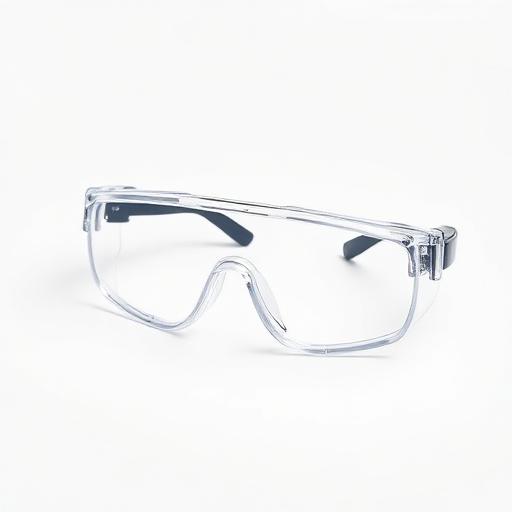
Understanding Welding Eye Protection in the Cameroonian Industrial Landscape
In the bustling industrial zones of Bassa in Douala and the construction sites across Yaoundé, welding remains a cornerstone of Cameroon’s infrastructure development. However, the intense light and heat generated during welding processes—ranging from basic arc welding to advanced gas tungsten arc welding (TIG)—present significant risks to the human eye. Without proper Personal Protective Equipment (PPE), Cameroonian welders are susceptible to "arc flash" (photokeratitis), cataracts, and permanent retinal damage. Protecting your eyesight is not just about comfort; it is a regulatory requirement under the Ministry of Labour and Social Security guidelines for occupational safety. Selecting the correct shade of lens is the most critical decision a welder can make to ensure long-term health and productivity.
At Cameroon Safety Supplies, we prioritize the safety of Cameroon’s workforce by providing high-quality eye protection that meets international standards such as EN 166, EN 175, and EN 379. Understanding how shade numbers work—ranging from DIN 9 to DIN 13—is essential for any workshop manager or independent contractor looking to secure their eye safety while maintaining visual clarity on the job.
The Science of Shade Numbers: What DIN 9-13 Really Means
The "shade number" on a welding helmet or goggle refers to the lens's ability to filter out intense optical radiation. These numbers are standardized internationally to help welders choose the right level of darkness for their specific welding amperage. The higher the number, the darker the filter.
- Shade 5 to 8: Typically used for gas welding, oxygen-fuel cutting, and torch brazing. These are lighter shades intended for processes with lower light intensity.
- Shade 9 to 10: The standard for low-amperage Shielded Metal Arc Welding (SMAW/Stick) and many common workshop tasks found in SMEs across Bafoussam or Douala.
- Shade 11 to 12: Necessary for higher amperage settings (150–250 amps), common in heavy structural steel fabrication.
- Shade 13 to 14: Required for high-amperage applications (over 300 amps) like heavy-duty Carbon Arc Cutting or high-current TIG welding.
Choosing the wrong shade can lead to two extremes: a shade that is too light permits excessive UV/IR radiation to reach the cornea, while a shade that is too dark forces the welder to get dangerously close to the workpiece, increasing exposure to toxic fumes and physical debris.
Passive vs. Auto-Darkening Helmets: Which is Better for Cameroon?
The choice between traditional passive helmets and modern auto-darkening technology often comes down to budget and the complexity of the project. Given the varying electrical stability and work environments in Cameroon, understanding the pros and cons is vital.
- Passive Helmets (Fixed Shade): These use a piece of tinted glass, usually shade 10. They are affordable and rugged. However, the welder must "snap" the helmet down right before striking the arc, which can lead to neck strain and "accidental flashes" if the timing is off.
- Auto-Darkening Helmets (ADF): These utilize liquid crystal cells that darken in milliseconds when sensors detect an arc. Modern ADFs meet the EN 379 standard, which evaluates optical quality, light diffusion, and switching speed.
For high-precision work in the oil and gas sector in Limbe or the shipyards of Douala port, auto-darkening helmets are highly recommended. They allow the welder to keep the helmet down at all times, drastically reducing the risk of arc flash and improving the quality of the weld bead.
International Standards: EN 379 and ANSI Z87.1
In Cameroon, many markets sell low-quality, uncertified welding masks that offer little more than colored plastic. Professional workshops must look for markings that guarantee protection against invisible Ultraviolet (UV) and Infrared (IR) rays. Even when an auto-darkening lens is in its "light" state (usually shade 3 or 4), a certified lens must block 100% of harmful UV/IR radiation.
The EN 379 standard classifies lenses based on four criteria, rated 1 to 3 (with 1 being the best):
- Optical Quality: How clear the image is through the lens.
- Diffusion of Light: Reducing blurring caused by manufacturing imperfections.
- Variations in Luminous Transmittance: Ensuring the shade is consistent across the entire lens.
- Angular Dependency: Ensuring the shade remains consistent when looking at an angle.
Purchasing gear that meets these standards ensures that your investment protects your employees and keeps your business compliant with international safety audits common in the multinational sectors of Cameroon.
Common Mistakes by Welders in Local Workshops
Through our experience as a leading provider of PPE in Cameroon, we have noted several recurring mistakes that lead to eye injuries. Addressing these can significantly lower work-related disabilities.
- Using Gas Goggles for Arc Welding: A frequent and dangerous mistake. Gas welding goggles (usually Shade 5) are not designed to filter the intense UV radiation produced by electric arcs. This leads to immediate "welder’s flash."
- Ignoring the "Inner and Outer" Lens Covers: The expensive auto-darkening filter is protected by clear polycarbonate cover lenses. When these get scratched or covered in spatter, welders often remove them, exposing the expensive filter to damage.
- Incorrect Sensitivity Settings: On many ADF helmets, the sensitivity can be adjusted. If set too low, the helmet might not darken in bright sunlight or when another welder strikes an arc nearby.
- Neglecting Battery Maintenance: Many high-end helmets use solar power with battery backup. In dusty environments, sensors can become blocked, preventing the lens from switching quickly enough.
Protecting Against "Arc Flash" and Secondary Hazards
Eye protection in a welding environment isn't just about the arc itself. Welders in Douala and Yaoundé often work in communal spaces where multiple activities occur simultaneously. This creates a high risk of "bystander arc flash" and injury from flying slag.
It is best practice to wear ANSI Z87.1 rated safety glasses underneath the welding helmet. This provides a secondary layer of protection when the helmet is flipped up for grinding or slag chipping. Furthermore, the use of welding curtains in the workshop prevents coworkers from being accidentally flashed as they walk past the welding bay. At Cameroon Safety Supplies, we stock various protective layers to ensure comprehensive coverage for the entire workshop team.
Order from Cameroon Safety Supplies
Ensuring the safety of your welding team requires more than just buying the cheapest mask available. It requires understanding the technical specifications of shade numbers and investing in certified equipment that can withstand the demanding humid and industrial climates of Cameroon. Whether you are managing a major fabrication project in the North or a specialized repair shop in the Littoral region, quality PPE is your best insurance against workplace downtime.
Cameroon Safety Supplies is your local partner for high-performance welding helmets, goggles, and protective eyewear. We offer competitive pricing in FCFA and expert advice on which shade numbers are appropriate for your specific industrial applications.
Don't compromise on your vision or the safety of your crew. Contact our experts in Douala or Yaoundé today to secure the best eye protection available in the market.