
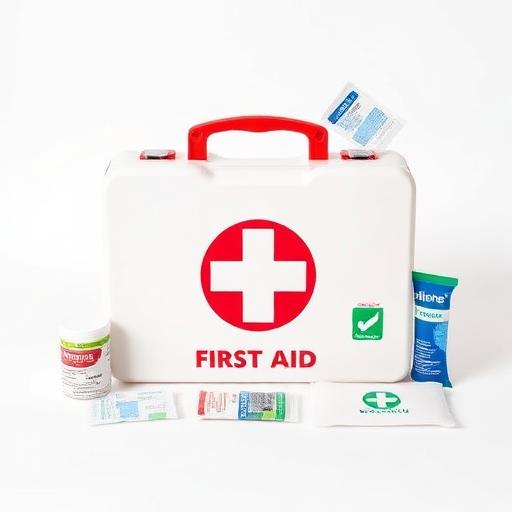
Decoding Cameroon's First Aid Kit Requirements: A Cameroon Safety Supplies Guide for Workplace Safety
Workplace safety isn't just a best practice; it's a legal obligation and a moral imperative. In Cameroon, the Ministry of Labour and Social Security meticulously outlines requirements to ensure a safe working environment. Among the most fundamental yet often overlooked aspects is the dutiful provision and maintenance of first aid kits. As procurement managers, safety officers, and HSE professionals across Douala, Yaoundé, Limbe, Kribi, Bafoussam, and Garoua, understanding these regulations is crucial. A well-stocked, accessible, and properly managed first aid kit can be the difference between a minor incident and a serious workplace emergency. Cameroon Safety Supplies is here to navigate you through the specifics, ensuring your organization remains compliant and your personnel protected.
This comprehensive guide delves into the precise requirements for first aid kits under Cameroonian workplace law, drawing insights from relevant labour codes and ministerial directives. We'll cover everything from mandatory contents and ideal placement to regular inspection and the critical role of trained personnel. Our goal is to equip you with the knowledge to establish a robust first aid program that not only meets legal benchmarks but also fosters a culture of preparedness and care within your organization.
The Legal Framework: Why Compliance Matters in Cameroon
Cameroon's legislative framework, particularly as enshrined in the Labour Code and its various decrees, places a significant emphasis on employer responsibility for worker safety and health. While specific decrees may detail occupational health and safety provisions, the overarching principle is clear: employers must take all necessary measures to prevent accidents and occupational diseases. Providing adequate first aid facilities is a cornerstone of this responsibility. Failure to comply can result in severe penalties, including fines (potentially ranging from hundreds of thousands to millions of FCFA depending on the severity and recurrence), legal action, and reputational damage. Beyond legal repercussions, an inadequately prepared workplace risks higher injury severity, increased lost workdays, and diminished employee morale.
For organizations operating in high-risk sectors such as construction, manufacturing, port operations (e.g., Douala, Kribi), or mining, the stakes are even higher. The Ministry of Labour often conducts unannounced inspections, and the absence of a proper first aid setup is an immediate red flag. Therefore, proactive compliance is not just advisable; it's essential for operational continuity and corporate integrity.
Mandatory First Aid Kit Contents for Cameroonian Workplaces
While an exhaustive list may vary slightly based on industry-specific risks, a standard, well-equipped first aid kit in Cameroon should contain a core set of items. Cameroon Safety Supplies adheres to international best practices (like ANSI/ISO standards for medical devices where applicable) adapted for local needs and regulatory expectations. Here’s a detailed breakdown:
-
Wound Care Essentials:
- Sterile adhesive bandages (band-aids) of assorted sizes (e.g., 20-50 per kit, depending on workforce size).
- Sterile gauze pads (various sizes: 5x5cm, 7.5x7.5cm, 10x10cm) for cleaning and covering larger wounds.
- Conformable bandages/roller bandages (e.g., 5cm, 7.5cm, 10cm wide) for securing dressings and providing support.
- Triangular bandages (for slings and immobilization).
- Antiseptic wipes or solution (e.g., alcohol swabs, povidone-iodine solution or chlorhexidine) for wound disinfection.
- Adhesive tape (medical grade) for securing dressings.
-
Personal Protective Items for First Aiders:
- Disposable gloves (nitrile or latex-free) in various sizes to prevent cross-contamination.
- CPR face shield or pocket mask for resuscitation.
-
Instruments and Accessories:
- Scissors (blunt-tipped, for cutting bandages, clothing).
- Tweezers (fine-tipped, for splinter removal).
- Safety pins (for securing bandages).
- Thermometer (digital, for temperature assessment).
- Flashlight with spare batteries (for examining injuries in low light).
-
Pain Relief and Minor Ailments:
- Mild pain relievers (e.g., paracetamol, ibuprofen - ensure these are non-prescription or approved by a company physician).
- Antihistamines (for allergic reactions, again, non-prescription or doctor-approved).
- Burn gel or cream (for minor burns).
-
Eye Care:
- Sterile eye wash solution (e.g., saline solution 0.9% NaCl) and eye cups, especially crucial in manufacturing or chemical handling environments in Douala or Limbe.
-
Documentation:
- First aid manual (clearly illustrating basic procedures).
- Accident report forms for documenting incidents.
- Pen and paper.
Important Note: The Ministry of Public Health or a company’s designated occupational health physician should be consulted for approval of any medications included in the kit, especially those with potential side effects. Cameroon Safety Supplies works closely with clients to tailor kit contents to specific workplace hazards, such as specialized kits for chemical spills, snake bites (relevant in some rural or forested areas), or marine emergencies for port chandling operations in Kribi.
Strategic Placement and Accessibility of First Aid Kits
Simply having a first aid kit is not enough; its location is paramount. Cameroonian regulations emphasize accessibility and visibility. Key considerations include:
- Visibility: Kits must be clearly marked with the universally recognized white cross on a green background symbol. Signs indicating their location should be strategically placed throughout the workplace.
- Accessibility: Kits should be easy to reach, unimpeded by obstacles, and not locked (unless keys are immediately available to all trained first aiders). In large facilities in Yaoundé or manufacturing plants in Bafoussam, multiple kits are often necessary.
- Proximity to High-Risk Areas: Place kits near machinery, workshops, laboratories, kitchens, or any area with a higher probability of injury. For a company managing logistics at the port of Douala, kits should be readily available on docks, in warehouses, and on vessels.
- Number of Kits: The general guideline is at least one well-stocked first aid kit for every 50 employees, though this can be higher in accordance with risk assessments. Smaller businesses might require fewer, but they must still be adequate. Consider portable or smaller kits for vehicle fleets or employees working remotely.
- Known Locations: All employees should be informed during induction and regular safety briefings about the location of all first aid kits and who to contact in an emergency.
The Critical Role of Trained First Aid Personnel
A first aid kit is only as effective as the person using it. Cameroon's Ministry of Labour regulations mandate that a sufficient number of employees be trained in first aid. The exact number depends on the size of the workforce and the nature of the work, but a good rule of thumb is at least one trained first aider for every 20-50 employees, with a higher ratio for high-risk environments.
Key aspects of first aid personnel include:
- Certification: Training should be conducted by accredited institutions or professionals, covering basic life support (BLS), wound management, fracture immobilization, burn care, and emergency response. Refresher courses are essential, typically every 2-3 years, to ensure skills remain current.
- Availability: Trained first aiders must be readily available during all working hours, across all shifts. This may require having multiple first aiders per department or shift.
- Designation: Clearly identify first aiders (e.g., via badges, designated areas, or a publicly displayed list) so that injured workers know whom to approach.
- Record Keeping: Maintain a register of all trained first aiders, their certification dates, and refresher course schedules. This is crucial for demonstrating compliance during inspections.
Cameroon Safety Supplies can assist in connecting your organization with certified first aid training providers in Cameroon, ensuring your team is fully equipped not just with supplies, but with life-saving skills.
Regular Inspection and Replenishment: Preventing Lapses
A first aid kit is a dynamic resource that requires constant attention. Stale, expired, or depleted kits are as good as no kits at all. Regular inspection and replenishment are non-negotiable under Cameroonian safety standards.
- Designated Person: Assign responsibility for managing first aid kits to a specific individual or team (e.g., the Safety Officer, an HSE professional, or a trained first aider).
- Inspection Frequency: Kits should be inspected at least monthly, and immediately after any use. For high-traffic or high-risk environments, weekly checks might be more appropriate.
-
What to Check For:
- Expiration Dates: Remove and replace all expired items. Pay particular attention to sterile dressings, antiseptic solutions, and medications.
- Completeness: Ensure all mandatory items are present and in the required quantities.
- Condition: Check for damaged packaging, sterility breaches, or contamination.
- Cleanliness: The kit container itself should be clean and dust-free.
- Accessibility: Confirm the kit is still easily accessible and not obstructed.
- Replenishment: Promptly replace any used or expired items. Cameroon Safety Supplies offers hassle-free replenishment services, ensuring your kits are always fully stocked with high-quality, compliant products. You can even set up a regular delivery schedule to ensure seamless supply.
- Documentation: Keep a record of all inspections, including the date, inspector's name, items checked, and items replenished. This log serves as proof of due diligence.
Special Considerations for Various Industries and Locations in Cameroon
While the core requirements remain consistent, specific industries and geographic locations within Cameroon necessitate tailored first aid provisions.
- Construction Sites (Douala, Yaoundé): Require robust kits with emphasis on severe wound care, fracture immobilization, and potentially snake bite kits due to outdoor work. Mobile kits would be crucial for teams working across large sites.
- Manufacturing & Industrial Facilities (Bafoussam, Limbe): Focus on eye wash stations, burn treatment, and kits with antidotes or specific treatments if handling hazardous chemicals. Electrical safety and lockout/tagout procedures often intertwine with first aid for electrocution.
- Port Operations & Shipping (Douala Port, Kribi Deep Seaport): Advanced kits for maritime accidents, resuscitation equipment, hypothermia treatment, and personal flotation devices. Cameroon Safety Supplies, as a leading ship chandler, understands these specific marine safety needs.
- Office Environments: While generally lower risk, cuts, bruises, minor burns, and allergic reactions are common. Kits should still be comprehensive and easily accessible.
- Remote Areas (Garoua, rural regions): Due to longer response times for emergency services, these areas might require more extensive first aid supplies, potentially including basic diagnostic tools and a higher number of trained personnel capable of prolonged care. Communication devices (satellite phones) are also critical.
Cameroon Safety Supplies prides itself on its ability to provide customized first aid solutions for any industry or environment across Cameroon. We conduct needs assessments to ensure your kits are perfectly aligned with your operational risks and regulatory obligations.
Your Partner in Workplace Safety: Cameroon Safety Supplies
Navigating the intricacies of Cameroon's workplace safety regulations for first aid kits doesn't have to be a daunting task. Cameroon Safety Supplies is your trusted partner, offering not just a comprehensive range of high-quality, compliant first aid supplies, but also expert advice and logistical support crucial for businesses operating across Douala, Yaoundé, Limbe, Kribi, Bafoussam, and Garoua.
We understand the local context – the regulatory landscape, the common workplace hazards, and the importance of reliable supply chains. Our first aid kits are assembled to meet or exceed Ministry of Labour expectations, incorporating durable packaging, clearly organized contents, and easily replenishable items. From individual first aid components to fully stocked wall-mounted stations and specialized kits for high-risk operations, we have everything you need to foster a secure and compliant work environment.
Ensure your organization is not just meeting legal requirements but is truly prepared for any minor injury or medical emergency. Protect your most valuable asset – your people – with Cameroon Safety Supplies' dependable first aid solutions.
Request a free quote for your custom first aid kits and safety equipment today!