
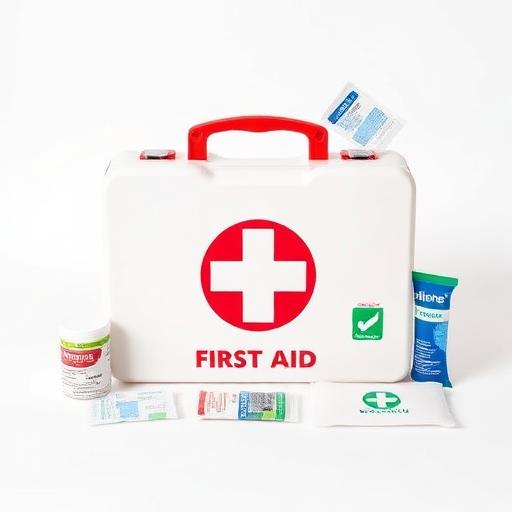
Ensuring Workplace Safety: The Ultimate First Aid Checklist for Cameroon’s Construction Industry
In the bustling construction hubs of Douala, the growing residential projects in Yaoundé, and the industrial zones of Limbe, site safety is more than just a regulatory requirement—it is a lifeline. Construction sites are high-risk environments where workers face daily hazards ranging from falls and fractures to chemical burns and eye injuries. Under the regulations set forth by the Cameroon Ministry of Labour and Social Security (MINTSS), employers are legally obligated to provide adequate first aid facilities and personnel to mitigate these risks. A well-stocked first aid kit is not just a box; it is the first line of defense during the "golden hour" after an accident occurs.
At Cameroon Safety Supplies, we understand that Cameroon’s tropical climate and different industrial terrains require specialized medical interventions. High humidity in coastal regions like Kribi can affect the shelf life of adhesives, while the dust from North-West road projects necessitates high-quality eye irrigation systems. This guide provides a comprehensive breakdown of what constitutes a compliant construction first aid kit, tailored for the Cameroonian market and aligned with international standards such as BS 8599-1.
Mandatory First Aid Kit Contents for Construction Sites
A construction first aid kit must be far more robust than a standard office kit. It needs to address high-energy trauma, heavy bleeding, and environmental hazards. To ensure your site in Bafoussam or Douala remains compliant and safe, your kits should contain the following essentials:
- Wound Dressings and Bandages: A variety of sizes (small, medium, and large) of sterile unmedicated wound dressings. Include triangular bandages for supporting fractured limbs or securing pivots.
- Adhesive Plasters: Assorted waterproof and wash-proof plasters. In Cameroon, choose fabric-backed plasters that adhere better in high-perspiration and humid environments.
- Eye Wash Stations: Essential for sites involves cement mixing, welding, or woodworking. A minimum of 500ml of sterile saline solution is required if plumbed running water is not immediately available.
- Burn Gel and Dressings: Crucial for workers handling hot bitumen, welding equipment, or electrical installations. Hydrogel-based dressings help dissipate heat quickly.
- Antiseptic Wipes and Gels: Alcohol-free wipes for cleaning skin around a wound to prevent infection in dusty environments.
- Personal Protection: Disposable nitrile gloves (latex-free) to prevent cross-contamination and CPR face shields for resuscitation.
- Trauma Shears: Medical-grade scissors capable of cutting through heavy-duty denim or work trousers to access a wound.
Scaling Your Kit: Crew Size and the BS 8599-1 Standard
One size does not fit all. A small renovation project in Bastos, Yaoundé, requires different medical coverage than a multi-billion FCFA bridge project over the Wouri River. International safety compliance often leans on the BS 8599-1 standard, which categorizes kits based on the number of employees and the level of risk.
- Small Kits: Designed for low-risk sites with fewer than 25 workers, or high-risk sites (like construction) with fewer than 5 workers.
- Medium Kits: The "workhorse" for Cameroon construction. Suitable for 5 to 25 workers on a high-risk site. These are typically mounted in site offices or kept in vehicles.
- Large Kits: Required for sites with more than 25 workers. For very large projects, multiple large kits must be distributed so that a first aid station is reachable within 60 seconds of any work area.
- Travel Kits: Mandatory for site supervisors and mobile crews moving between Douala and inland regions. These should be compact enough to fit under a vehicle seat but comprehensive enough for immediate trauma care.
Cameroon Safety Supplies provides pre-configured kits that meet these specific categories, ensuring your procurement process is streamlined and compliant with local labor laws.
Critical Specialized Additions for the Cameroonian Environment
Standard kits often miss items that are vital for the specific geographic and climatic challenges of Cameroon. To move beyond basic compliance toward true "best practice" safety, consider adding these items to your site inventory:
Snake Bite Kits: For clearing land or working on peripheral infrastructure projects in regions like the East or Adamawa, having a snake bite protocol and specialized pressure immobilization bandages is highly recommended.
Rehydration Salts: Heat exhaustion is a significant risk for laborers working under the intense sun in Maroua or Douala. Keeping Oral Rehydration Salts (ORS) within the first aid station can prevent serious heatstroke incidents.
Foil Blankets: While Cameroon is warm, shock can cause a rapid drop in body temperature. Space blankets are essential for stabilizing workers who have suffered serious falls or crushed limb injuries while waiting for evacuation to a hospital such as Hôpital Général de Douala.
Trained First Aiders and Legal Compliance
The best first aid kit is useless if no one on-site knows how to use it. The Cameroon Ministry of Labour and Social Security mandates that for every group of workers, there must be a designated person trained in emergency first aid. On a construction site, this ratio should ideally be one trained first aider for every 20 workers.
The responsibilities of your designated first aider include:
- Taking charge when someone falls ill or is injured.
- Performing CPR or stabilizing fractures until the "Sapeurs-Pompiers" (fire brigade) or a private ambulance arrives.
- Maintaining the first aid register to record 모든 accidents—this is vital for insurance claims and internal safety audits.
- Ensuring the kit is accessible and that the signage (white cross on a green background) is visible even from a distance.
Maintenance, Restocking, and Expiry Management
A common mistake for construction firms in Cameroon is purchasing a kit once and never looking at it again until an accident happens. First aid supplies have expiry dates; over time, sterile seals can break, and adhesives can dry out due to the heat. We recommend a monthly audit of all safety kits.
The Restocking Checklist: 1. Check for used items and replace them immediately (plasters and wipes go fast). 2. Verify that sterile dressings have not exceeded their expiry dates. 3. Ensure the eye-wash solution is clear and the seal is intact. 4. Clean the container—dust and grease from construction sites can contaminate the supplies.
Budgeting for restocking is essential. While a complete medium-sized kit might cost between 45,000 FCFA and 75,000 FCFA depending on specifications, individual components are affordable. Partnering with a consistent supplier like Cameroon Safety Supplies ensures you have access to the exact components needed to keep your kits current without the need to buy entirely new boxes every year.
Order from Cameroon Safety Supplies
Protecting your workforce is the most important investment you will make in your construction project. Cameroon Safety Supplies is Cameroon's leading provider of industrial-grade first aid kits and PPE, serving clients from Douala to the furthest points of the hinterland. We provide kits that meet BS 8599-1 and ANSI standards, ensuring your site passes any inspection by the Ministry of Labour.
Don't wait for an accident to realize your first aid supplies are insufficient. Contact our specialists today for a professional assessment of your site's needs.