
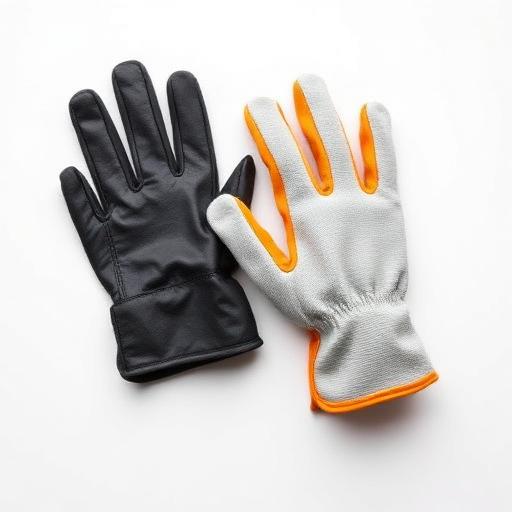
The Indispensable Role of Hand Protection in Cameroon's Industries
In Cameroon's bustling industrial landscape, from the oil and gas terminals of Limbe and Kribi to the manufacturing hubs of Douala and Yaoundé, and the agricultural plains of Garoua, workers' hands are their most valuable tools. Yet, they are also among the most vulnerable body parts, constantly exposed to a myriad of hazards. According to global statistics, hand injuries account for a significant percentage of all workplace accidents, often leading to lost productivity, medical costs, and severe impacts on employee well-being. This is precisely why proper hand protection is not merely a recommendation but a critical imperative for every procurement manager, safety officer, and HSE professional across the nation.
At Cameroon Safety Supplies, we understand the diverse and challenging environments faced by Cameroonian industries. Our mission is to equip your workforce with the highest quality, most appropriate hand protection available, ensuring compliance with international safety standards like EN (European Norms) and ANSI (American National Standards Institute), while also considering local operational realities. Choosing the right safety gloves goes far beyond a simple purchase; it’s a strategic decision that directly impacts worker safety, efficiency, and your company's bottom line.
This comprehensive guide will delve into the various types of safety gloves, their specific applications, and crucial factors to consider when selecting them for your operations in Cameroon. Whether you’re managing a port logistics team in Douala, a mining operation near Bafoussam, or a food processing plant, understanding the nuances of hand protection will empower you to make informed choices that safeguard your most valuable asset: your people.
Understanding the Hazards: Why Hand Protection is Non-Negotiable
Before diving into glove types, it's essential to recognize the spectrum of hazards that necessitate hand protection in Cameroon's workplaces. These can be broadly categorized:
- Mechanical Hazards: Cuts, abrasions, punctures, impacts, and crushing injuries from handling sharp objects, machinery, or abrasive materials. Common in construction, manufacturing, and logistics.
- Chemical Hazards: Exposure to corrosive acids, dangerous solvents, oils, greases, and other hazardous substances that can cause skin irritation, burns, or absorption through the skin. Prevalent in chemical processing, petrochemical, and automotive industries.
- Thermal Hazards: Burns from hot surfaces, steam, molten metals, or frostbite from extreme cold. Relevant for welding, foundry work, refrigeration, and offshore operations.
- Electrical Hazards: Shocks and burns from live electrical currents. Crucial for electricians, maintenance technicians, and utility workers.
- Biological Hazards: Exposure to bacteria, viruses, fungi, or other microorganisms. Important in healthcare, waste management, and agricultural sectors.
- Vibration Hazards: Prolonged exposure to vibrating tools leading to hand-arm vibration syndrome (HAVS). Affects workers using power tools in construction and manufacturing.
Each of these hazards demands a specific type of glove, designed with particular materials, coatings, and constructions to provide optimal protection. Using the wrong glove can be as dangerous as using no glove at all, creating a false sense of security.
Key Glove Types and Their Applications in Cameroon
Cameroon Safety Supplies offers a comprehensive range of gloves, each tailored for specific industrial challenges:
1. Cut-Resistant Gloves: Shielding Against Sharp Edges
Description: These gloves are engineered with high-performance materials like Kevlar, HPPE (High-Performance Polyethylene), TenActiv, or a blend of fibers, often reinforced with steel or fiberglass. They are designed to prevent cuts and lacerations from sharp objects such as glass, metal sheets, knives, and blades.
Cameroonian Applications:
- Construction Sites (Douala, Yaoundé): Handling rebar, sheet metal, tiling, and glass.
- Metal Fabrication & Welding (Bafoussam): Protecting hands during the handling and processing of sharp metal components.
- Oil & Gas (Limbe, Kribi): Pipe handling, equipment maintenance where sharp edges are present.
- Ship Chandling Operations (Douala Port): Handling ropes, wires, and cargo with potential sharp edges.
- Waste Management: Sorting and handling refuse that may contain broken glass or sharp debris.
Standards: Look for gloves conforming to EN 388 (e.g., 4X43F), indicating high resistance to cuts (Level F being the highest), abrasion, tearing, and puncture. ANSI/ISEA 105 also provides cut resistance levels (A1-A9).
2. Chemical-Resistant Gloves: The Barrier Against Corrosives
Description: Made from various polymers like nitrile, latex, neoprene, PVC, or butyl rubber, these gloves provide a barrier against hazardous chemicals. The choice of material depends on the specific chemicals being handled, as different materials offer protection against different chemical families.
Cameroonian Applications:
- Petrochemical Industry (Limbe): Handling fuels, solvents, acids, and bases.
- Agriculture (Garoua, Bafoussam): Protecting against pesticides, herbicides, and fertilizers.
- Laboratories & Healthcare: Handling reagents, biologicals, and cleaning agents.
- Manufacturing: Working with industrial paints, degreasers, and cleaning solutions.
- Mining Operations: Protection against process chemicals used in extraction and refining.
Important Considerations: No single glove protects against all chemicals. Refer to a chemical resistance chart for permeation and degradation data specific to the chemicals your workers will encounter. Check for EN 374 compliance, which specifies protection against chemical hazards.
3. Heat-Resistant Gloves: Enduring the Extremes
Description: Constructed from materials like aramid fibers, leather (often chrome-tanned), or specialized synthetic blends, these gloves are designed to protect hands from high temperatures, radiant heat, and sparks. Some offer contact heat protection, while others are suited for radiant heat or molten splash.
Cameroonian Applications:
- Welding & Brazing (Across all industrial zones): Protecting against sparks, slag, and high temperatures.
- Foundries & Metal Casting: Handling hot molds and molten metals.
- Bakery & Food Processing: Managing hot ovens and equipment.
- Power Plants: Maintenance and repair operations involving hot machinery.
Standards: Look for EN 407, which categorizes performance against flammability, contact heat, convective heat, radiant heat, small splashes of molten metal, and large quantities of molten metal. For welding, EN 12477 (Welder's Gloves) is also crucial.
4. Impact-Resistant Gloves: Defending Against Crushing Forces
Description: These gloves integrate Thermoplastic Rubber (TPR) or similar protective padding on the back of the hand and fingers to shield against impacts, pinches, and crushing injuries. They are often combined with cut-resistant properties.
Cameroonian Applications:
- Oil & Gas Exploration & Production (Limbe, Kribi): Handling heavy pipes, tools, and equipment where impacts are a risk.
- Mining & Quarrying (Bafoussam): Protecting hands from falling rocks or crushing between equipment.
- Construction & Rigging: Moving heavy materials, scaffolding, and structural components.
- Logistics & Port Operations (Douala Port): Handling heavy cargo, machinery, and container operations.
Standards: Relevant sections of EN 388 (P, for impact protection) and ANSI/ISEA 138 govern impact resistance, often with levels indicating the amount of energy absorbed.
5. General-Purpose & Coated Work Gloves: Everyday Protection
Description: These are versatile gloves offering a good balance of dexterity, grip, and moderate protection. They often feature knitted liners (cotton, nylon, polyester) coated with materials like nitrile, latex, polyurethane (PU), or PVC. Coatings enhance grip, abrasion resistance, and offer some liquid resistance.
Cameroonian Applications:
- Warehouse & Logistics (Douala, Yaoundé): General material handling, packaging, and sorting.
- Assembly & Light Manufacturing: Tasks requiring dexterity and a good grip.
- Automotive Maintenance: Oil and grease handling with moderate chemical exposure.
- Gardening & Landscaping: Protecting against minor scrapes and dirt.
- Ship Chandling: General tasks, non-heavy cargo handling and equipment transfer.
Standards: Generally covered by EN 388 for mechanical risks.
6. Anti-Vibration Gloves: Mitigating Hand-Arm Vibration Syndrome
Description: Designed with specialized padding (often gel or air-filled bladders) in the palms and fingers to dampen vibrations transmitted from power tools, reducing the risk of Hand-Arm Vibration Syndrome (HAVS) and carpal tunnel syndrome.
Cameroonian Applications:
- Construction: Workers using jackhammers, demolition tools, concrete vibrators.
- Forestry & Agriculture: Operators of chainsaws, brush cutters.
- Manufacturing: Use of pneumatic tools, grinders, sanders.
- Mining: Use of rock drills and other heavy vibrating machinery.
Standards: Compliance with EN ISO 10819 is essential, which measures the transmission of vibration through the glove.
7. Electrical Insulating Gloves: The Ultimate Barrier for Live Work
Description: Made from dielectric rubber (latex or synthetic), these gloves are designed to protect workers from electrical shock when working on or near live electrical circuits. They are typically worn with leather over-gloves for mechanical protection.
Cameroonian Applications:
- Utility Companies (Eneo technicians): Working on power lines, transformers.
- Industrial Electricians: Maintenance and repair of electrical panels, switchgear.
- Telecommunications: Technicians working with sensitive electrical equipment.
Standards: Must comply with EN 60903 or ANSI/ASTM D120, specifying voltage ratings (Classes 00, 0, 1, 2, 3, 4) appropriate for the maximum voltage. Regular testing of these gloves is paramount.
Choosing the Right Glove: A Systematic Approach for Cameroon
Selecting the optimal hand protection requires a structured approach. Here's a checklist for procurement managers and safety officers:
-
Conduct a Thorough Hazard Assessment:
- What specific hazards are present (cuts, chemicals, heat, impact, electrical)?
- What are the chemicals involved (concentration, temperature, duration of contact)?
- What are the temperatures involved?
- What is the voltage if electrical work is performed?
- What level of dexterity is required for the task?
- Are there any ergonomic considerations (e.g., repetitive motion, grip requirements)?
- Consider the environment: wet, dry, oily, dusty.
-
Consult Standards and Regulations:
- Ensure gloves meet relevant international standards (EN, ANSI/ASTM) specific to the identified hazards.
- Be aware of any local Cameroonian regulations or company policies regarding PPE.
-
Material Selection:
- Based on the hazard assessment, choose the appropriate base material and coating (e.g., nitrile for moderate chemical resistance, Kevlar for cut resistance, leather for abrasion and sparks).
-
Fit and Comfort:
- A well-fitting glove is crucial for both protection and productivity. Too loose, and dexterity is compromised; too tight, and circulation is restricted.
- Consider different sizes and styles (e.g., gauntlet for forearm protection, seamless knit for comfort).
At Cameroon Safety Supplies, we can arrange for samples and sizing guides to ensure your workforce receives the best fit.
-
Durability and Maintenance:
- Evaluate the glove's expected lifespan in your specific work environment.
- Consider washability and ease of decontamination if necessary.
- For specialized gloves (e.g., electrical), understand inspection and testing requirements.
-
Cost-Effectiveness (FCFA):
- While safety should never be compromised, evaluate the long-term value. A more expensive, highly durable glove might be more cost-effective in the long run than frequent replacement of cheaper alternatives.
- Cameroon Safety Supplies offers competitive pricing in FCFA for quality PPE, ensuring you get the best value without sacrificing safety.
-
Trial Period and Worker Feedback:
- Whenever possible, conduct trials with a small group of workers to get their feedback on comfort, dexterity, and performance before a bulk purchase.
Cameroon Safety Supplies: Your Trusted Partner for Hand Protection in Cameroon
As a leading supplier of PPE in Cameroon, Cameroon Safety Supplies is committed to providing comprehensive hand protection solutions for every industry. We stock a wide array of gloves from reputable international manufacturers, ensuring compliance with the most stringent safety standards. Our knowledgeable team understands the unique challenges of the Cameroonian industrial landscape, from the port logistics of Douala to the agricultural needs of Garoua, and we are ready to assist you in making informed decisions.
We don't just sell gloves; we provide solutions that enhance workplace safety, reduce injury rates, and ultimately contribute to the productivity and well-being of your entire workforce. Our expertise extends to:
- Product Consultation: Guiding you through the selection process based on your specific hazards and applications.
- Compliance Assurance: Ensuring all products meet relevant international safety standards (EN, ANSI, ISO).
- Reliable Supply Chain: Prompt and efficient delivery across Cameroon, including Douala, Yaoundé, Limbe, Kribi, Bafoussam, and Garoua.
- Competitive Pricing: Offering excellent value in FCFA for high-quality, durable PPE.
Investing in the right hand protection is an investment in your company's future. Protect your most valuable assets today.
To discuss your specific hand protection requirements or to request a detailed quote tailored to your operations, please don't hesitate to reach out to our expert team. We are ready to be your partner in safety.
Request a free quote for PPE safety equipment in Cameroon