
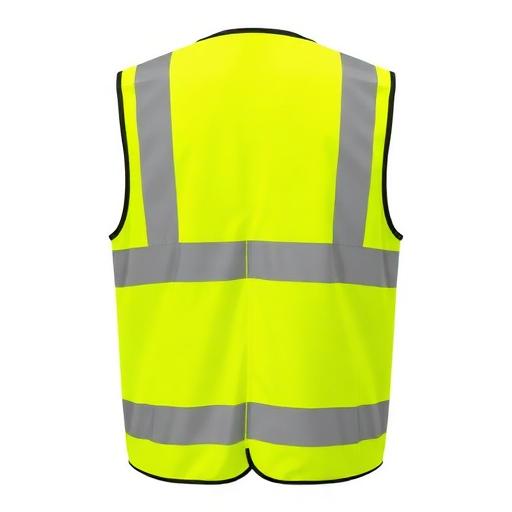
The Critical Role of High-Visibility Clothing in Yaoundé’s Infrastructure Development
As Yaoundé undergoes significant urban transformation through projects like the Municipal Lake development and the expansion of the eastern and western entrance roads, the safety of road construction workers has never been more paramount. In the bustling "City of Seven Hills," road workers face unique hazards: dense fog in the early mornings, heavy tropical downpours during the rainy season from August to October, and the chaotic flow of traffic in neighborhoods like Mvan, Etoudi, and Post Central. High-visibility (Hi-Vis) clothing is not merely a uniform; it is a life-saving piece of Personal Protective Equipment (PPE) designed to make the wearer visible in any lighting condition, day or night.
In Cameroon, the Ministry of Labour and Social Security mandates that employers provide adequate protective gear for workers in hazardous environments. For road crews in Yaoundé, this means adhering to international visibility standards to prevent vehicle-pedestrian strikes. High-visibility work clothing utilizes two distinct components: fluorescent base materials for daytime visibility and retroreflective tapes for nighttime safety. When a driver’s headlights hit the retroreflective material on a vest or jacket, the light is bounced directly back to the source, alerting the driver to the worker's presence hundreds of meters away. Cameroon Safety Supplies remains the leading partner for construction firms across Cameroon, ensuring that every garment supplied meets the rigorous demands of the local climate and international safety codes.
Understanding EN ISO 20471: The Three Classes of Visibility
When procuring Hi-Vis work clothing in Cameroon, it is essential to understand the EN ISO 20471 international standard. This standard categorizes garments into three classes based on the surface area of fluorescent material and the length of retroreflective tape. Selecting the wrong class for a specific job site can lead to avoidable accidents on busy Yaoundé thoroughfares.
- Class 3: The Highest Protection Level. This is mandatory for workers on high-speed roads or in extremely low-visibility conditions. A Class 3 garment must cover the torso and have sleeves with reflective bands. In Yaoundé, this is recommended for workers on the NSIMALEN motorway or the N3 highway. It requires 0.80m² of fluorescent background and 0.20m² of reflective tape.
- Class 2: The Intermediate Level. This is the standard for most road construction and luggage handling at the Yaoundé-Nsimalen International Airport. It typically includes waistcoats or vests. It requires 0.50m² of background material and 0.13m² of reflective tape.
- Class 1: Minimum Visibility. These garments are only suitable for low-risk environments where the speed of passing vehicles is under 30km/h. They are often seen as high-visibility trousers used in conjunction with higher-class tops to achieve an overall Class 3 rating.
Fluorescent Yellow vs. Orange: Which is Right for Cameroon?
A common question among safety managers in Douala and Yaoundé is whether to choose fluorescent yellow-green or fluorescent orange-red. While both colors satisfy the requirements of EN ISO 20471, their effectiveness depends on the surrounding environment. Fluorescent yellow is the most luminous color and provides the highest contrast against dark asphalt and grey urban structures. This makes it the preferred choice for nighttime road repairs in urban centers like Akwa or Bastos.
Fluorescent orange, on the other hand, provides excellent contrast against green foliage and natural backgrounds. For road expansion projects cutting through the forested areas surrounding Mbankomo or Obala, orange Hi-Vis is often superior as it stands out against the lush green landscape. Furthermore, orange is often the regulated color for railway workers—a critical consideration for those working near the Camrail tracks passing through the capital. At Cameroon Safety Supplies, we stock both varieties to ensure your team is optimized for their specific work site geography.
Anatomy of High-Quality Hi-Vis: Tapes and Materials
The durability of Hi-Vis clothing in Cameroon is tested by the harsh equatorial sun and high humidity. Cheap, sub-standard vests often பார்த்த loss of reflectivity after just a few weeks of exposure to UV rays. Professional-grade Hi-Vis clothing uses specialized materials to combat these local challenges:
- Retroreflective Tape: Top-tier garments use glass bead technology or micro-prismatic tape. Micro-prismatic tape (like those from 3M) tends to perform better in wet conditions, such as the heavy rainstorms common in Limbe or Yaoundé, as it maintains reflectivity even when covered in a film of water.
- Breathable Fabrics: Given the high temperatures in Cameroon, 100% polyester mesh is popular for lightweight vests. For more durable work trousers and jackets, a "cool-breeze" cotton-rich blend is used to ensure sweat wicking while maintaining the fluorescent pigment.
- Fasteners and Reinforcement: Quality garments feature heavy-duty zippers or high-cycle Velcro that won't fail after a few uses in dusty construction zones like the Olembe stadium vicinity.
Maintenance and Washing Care in the Tropical Climate
One of the most overlooked aspects of PPE in Cameroon is maintenance. Dirt, grease, and mud from construction sites significantly reduce the effectiveness of fluorescent pigments and reflective tapes. If a Hi-Vis vest is "greyed out" by dirt, it no longer functions as safety equipment. However, improper washing can also destroy the garment. The reflective beads on the tape are sensitive to high temperatures and harsh chemicals.
To extend the life of your Hi-Vis gear, workers should be instructed to wash garments inside out in cool water (maximum 40°C). Avoiding bleach is critical, as it strips the fluorescent dye, turning a bright yellow vest into a dull cream color. Furthermore, the number of wash cycles is often limited—most EN ISO 20471 garments are rated for 25 to 50 washes before the reflective properties drop below certified levels. Supervising officers at work sites in Bafoussam or Douala should conduct regular "torch tests" at night to ensure the reflective strips are still functional. If the tape appears cracked or dull, it is time to replace the gear through a reputable supplier like Cameroon Safety Supplies.
Investing in Safety: Economic Benefits for Cameroonian Firms
While a basic Hi-Vis vest may cost only a few thousand FCFA, the cost of an industrial accident is astronomical. For a construction firm in Yaoundé, a single roadside injury can lead to project shutdowns, legal fees from the Ministry of Labour, and significant compensation claims. Investing in high-quality, certified Hi-Vis clothing is a proactive risk management strategy.
High-quality work clothing also boosts worker morale and professional image. When a crew is seen wearing uniform, clean, and highly visible Class 3 jackets on a high-profile site in the capital, it reflects the company’s commitment to international standards. This is particularly important for local firms bidding on infrastructure projects funded by international bodies like the World Bank or the African Development Bank, where adherence to Health, Safety, and Environment (HSE) protocols is a prerequisite for contract awards.
Order from Cameroon Safety Supplies
Equip your road construction crews with the highest standard of protection available in Cameroon. Cameroon Safety Supplies provides a comprehensive range of EN ISO 20471 certified Hi-Vis vests, jackets, and trousers tailored for the Yaoundé climate. Whether you are managing a small municipal repair or a multi-billion FCFA highway project, we offer bulk pricing and reliable delivery across the country. Don't compromise on the visibility of your most valuable assets—your workers.
Contact our safety specialists today to get a free quote for your high-visibility work clothing requirements.