
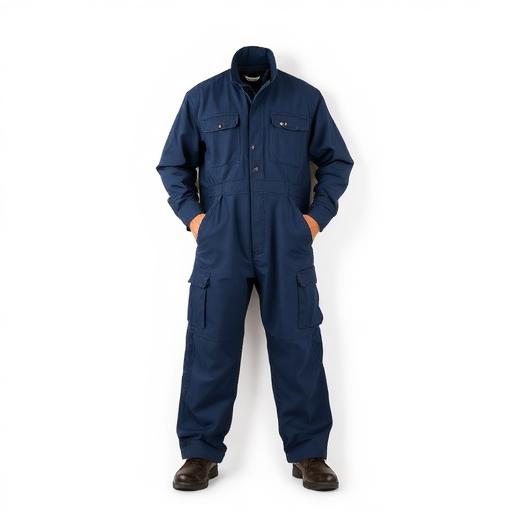
The Non-Negotiable Standard: High-Visibility Workwear in Cameroon's Road Construction
Cameroon, a nation undergoing significant infrastructure development, particularly in its road networks connecting vital economic hubs like Douala, Yaoundé, Limbe, and Kribi, demands an unwavering commitment to worker safety. On these bustling construction sites, where heavy machinery operates alongside human activity, one critical safety measure stands out: high-visibility workwear. For procurement managers, safety officers, and HSE professionals across Cameroon, understanding the nuances of hi-vis clothing isn't just about compliance; it's about safeguarding lives and ensuring project continuity.
At Cameroon Safety Supplies, we've seen firsthand the impact of proper PPE on construction sites from Bafoussam to Garoua. This in-depth guide will explore why high-visibility workwear is truly non-negotiable for road construction projects in Cameroon, delving into crucial standards, fabric choices, and smart bulk procurement strategies to help you make informed decisions for your workforce.
Understanding the Risk: The Importance of Visibility on Cameroon's Roads
Road construction environments present a unique cocktail of hazards. Workers are often exposed to moving vehicles (trucks, excavators, graders), variable lighting conditions (dawn, dusk, night shifts), and complex backgrounds that can camouflage personnel. In a country like Cameroon, where road conditions can sometimes be challenging and traffic unyielding, the risk is amplified.
Reduced visibility directly translates to:
- Increased risk of struck-by incidents with vehicles and heavy equipment.
- Delayed reaction times for equipment operators to spot personnel.
- Difficulty for supervisors to monitor workers in expansive or low-light areas.
- Higher potential for serious injuries or fatalities, leading to project delays and significant financial and reputational costs.
High-visibility clothing acts as a crucial early warning system, making workers stand out against any background, day or night. It buys precious seconds for machinery operators to react, preventing catastrophic accidents. This is particularly vital in Cameroon's densely populated urban centers like Douala or Yaoundé where roadworks often occur alongside heavy civilian traffic, or on extensive highway projects connecting remote regions where emergency response times might be longer.
Key Standards for High-Visibility Workwear: Ensuring Compliance and Effectiveness
While Cameroon currently doesn't have its own unique national standard solely for hi-vis workwear, most responsible contractors and project managers adhere to internationally recognized standards to ensure the highest level of safety. The most widely accepted and robust standards include:
ISO 20471:2013 - High-visibility clothing - Test methods and requirements
This is the European (and often globally adopted) standard. It categorizes garments into three classes based on the minimum area of fluorescent material and retro-reflective material they contain. The higher the class, the greater the visibility.
- Class 3: Offers the highest level of visibility, recommended for workers on motorways or dual carriageways, airports, and other high-speed traffic areas. It requires the largest amount of both fluorescent and retro-reflective material, often encompassing full-length sleeves and trousers or a jacket with full-length sleeves over trousers. This is the ideal choice for most mainline road construction projects in Cameroon.
- Class 2: Provides intermediate visibility, suitable for roads with traffic speeds up to 60 km/h. Examples include roadside maintenance or delivery drivers.
- Class 1: Offers the lowest level of visibility, generally for off-road use or low-risk environments where traffic speeds are very low. It's rarely adequate for active road construction.
ANSI/ISEA 107-2020 - American National Standard for High-Visibility Safety Apparel and Accessories
This is the North American equivalent, also categorizing garments by performance class (Type O, Type R, Type P) and then further by Class 1, 2, or 3 within those types. It’s also globally recognized.
- Type R: Roadway and non-roadway use (e.g., DOT workers, utility workers, emergency responders). This is the most relevant type for road construction.
- Type P: Public Safety (e.g., law enforcement, firefighters).
- Type O: Off-Road (e.g., parking attendants).
When procuring hi-vis workwear in Cameroon, always look for products explicitly stating compliance with either ISO 20471 Class 3 or ANSI/ISEA 107 Type R Class 3. These certifications guarantee that the garment has been independently tested and meets stringent requirements for color, luminance, and retroreflection, even after multiple washes and extended wear in harsh conditions typical of a Cameroonian construction site – from the dusty, dry season around Garoua to the humid, rainy season in Limbe.
The Science of Visibility: Fluorescent vs. Retro-Reflective Materials
High-visibility workwear achieves its purpose through a combination of two distinct types of materials:
Fluorescent Material
This is the bright, often neon-yellow, orange, or lime-green fabric. Its primary function is to enhance visibility during daylight hours and in dim light conditions (dawn, dusk, overcast weather). Fluorescent colors convert invisible ultraviolet light into visible light, making them appear to glow and stand out significantly more than conventional colors. They are designed to be easily detectable against complex backgrounds and at various distances.
Retro-Reflective Material
These are the silver or grey strips you see on hi-vis garments. Their job is to enhance visibility in low light or darkness when illuminated by a light source, such as vehicle headlights. Retro-reflective materials work by bouncing light directly back to its source, illuminating the wearer to the person operating the light source (e.g., a driver). The quality and width of these retro-reflective strips are critical for nighttime safety. Wider, continuous bands are generally more effective.
For optimal safety on Cameroon's roads, particularly for night shifts or in tunnels, both fluorescent and retro-reflective materials are essential. A common misconception is that one without the other is sufficient. High-visibility workwear complying with international standards will always incorporate both in specific configurations and areas.
Choosing the Right Fabric and Design: Comfort Meets Durability
Beyond visibility, the practicalities of the garment – its fabric, design, and durability – are paramount for worker comfort and long-term cost-effectiveness. Cameroon's diverse climate, from the intense heat of the northern regions to the humidity of the coastal areas, necessitates careful consideration:
- Breathability: Lightweight, breathable fabrics like polyester blends with moisture-wicking properties are crucial to prevent heat stress, especially during the long, hot days common in Douala or Garoua. Mesh panels are an excellent addition.
- Durability: Road construction is tough on clothing. Garments need to withstand abrasion, tearing, and repeated industrial washing. Reinforced stitching, durable zippers, and fade-resistant fabrics are wise investments.
- Climate Suitability: For the humid, rainy seasons (e.g., in Limbe or Kribi), consider waterproof or water-resistant hi-vis jackets or rain suits. For cooler mornings in the highlands around Bafoussam, hi-vis sweatshirts or fleeces might be appropriate.
- Fit and Freedom of Movement: Workwear should be comfortable and allow for a full range of motion. Ill-fitting clothing can be a safety hazard in itself, snagging on equipment or restricting movement.
- Pockets and Features: Strategically placed pockets, pen holders, and ID badge holders can enhance productivity by keeping tools and essentials accessible, as long as they don't compromise the high-visibility elements.
- Customization: The ability to add company logos (without obscuring hi-vis materials) is a common requirement for branding and team identity. Cameroon Safety Supplies offers various customization options for bulk orders.
Ignoring these factors can lead to workers avoiding or tampering with their PPE, defeating its purpose. Investing in quality, comfortable, and durable hi-vis workwear not only saves money in replacements but also fosters a culture of safety adherence.
Bulk Procurement Strategies for Cameroon-Based Projects
For large-scale road construction projects, bulk procurement of high-visibility workwear is the most economical and efficient approach. Here are some tips for procurement managers in Cameroon:
- Partner with a Reliable Local Supplier: Working with a supplier like Cameroon Safety Supplies, which understands local logistics, import regulations, and payment methods (including FCFA transactions), simplifies the entire process. We have established supply chains to deliver across Cameroon, from Douala Port directly to your site in Yaoundé or Kribi.
- Demand Certifications: Always request documentation verifying that the workwear meets ISO 20471 or ANSI/ISEA 107 standards. A reputable supplier will readily provide these.
- Conduct Wear Trials: Before placing a massive order, procure a small batch for your workers to test. Gather feedback on comfort, fit, and durability in your specific working conditions.
- Consider Lifecycle Costs: Don't just look at the initial price. Cheaper, inferior garments will need to be replaced more frequently, costing more in the long run. Factor in durability, washing requirements, and potential replacement intervals.
- Negotiate Bulk Discounts: For significant quantities, always negotiate for better pricing. At Cameroon Safety Supplies, we offer competitive rates for bulk orders tailored to the scale of your project.
- Plan for Varied Sizes and Climates: Ensure your order includes a comprehensive range of sizes to fit all personnel. Additionally, consider the climatic zones your project spans and include appropriate garments (e.g., rainwear for coastal projects, more breathable options for interior heat).
- Stock Management: Work with your supplier to establish a reliable reorder process and potentially maintain a buffer stock, especially for critical items, to avoid shortages that could halt work.
- After-Sales Support: Choose a supplier that offers good after-sales support, including advice on maintenance, reordering, and addressing any quality concerns.
The Regulatory Landscape and Your Responsibility in Cameroon
While Cameroon's specific regulations on PPE are evolving, the general labor laws and the emphasis on worker safety within major infrastructure projects (often funded by international bodies like the World Bank or AfDB) mean adherence to international best practices is expected, if not legally mandated. Ministries of Public Works and entities overseeing road projects increasingly scrutinize safety protocols.
As responsible employers and project managers, the onus is on you to:
- Conduct thorough risk assessments to identify specific visibility hazards on your road construction sites.
- Select and provide the appropriate class and type of high-visibility workwear for all personnel exposed to traffic or heavy machinery.
- Ensure workers are properly trained on the importance, correct use, and maintenance of their hi-vis PPE.
- Regularly inspect workwear for damage, fading, or dirt that could compromise visibility, and replace it as needed.
Neglecting these responsibilities can lead to severe consequences, including worker injuries or fatalities, significant fines, legal action, project delays, and irreversible damage to your company's reputation.
Cameroon Safety Supplies: Your Partner for High-Visibility Solutions in Cameroon
At Cameroon Safety Supplies, we are dedicated to supporting the safe and efficient development of Cameroon's infrastructure. We understand the specific needs of road construction projects in Douala, Yaoundé, Limbe, Kribi, Bafoussam, Garoua, and beyond. We stock a comprehensive range of high-quality, internationally certified high-visibility workwear, including vests, jackets, shirts, trousers, and rainwear, all designed for durability and comfort in the Cameroonian climate.
Our team is ready to assist you with:
- Expert advice on selecting the right hi-vis workwear for your specific project requirements, ensuring compliance with relevant standards.
- Access to a wide inventory of certified products, ready for immediate dispatch.
- Competitive bulk pricing and flexible delivery options across Cameroon.
- Customization services for branding and unique project needs.
- Reliable logistics and excellent customer service to simplify your procurement process.
Don't compromise on safety. Make high-visibility workwear a priority on every road construction project. Your workers' lives and your project's success depend on it.
Request a free quote from Cameroon Safety Supplies today and equip your team with the best in high-visibility safety solutions.