
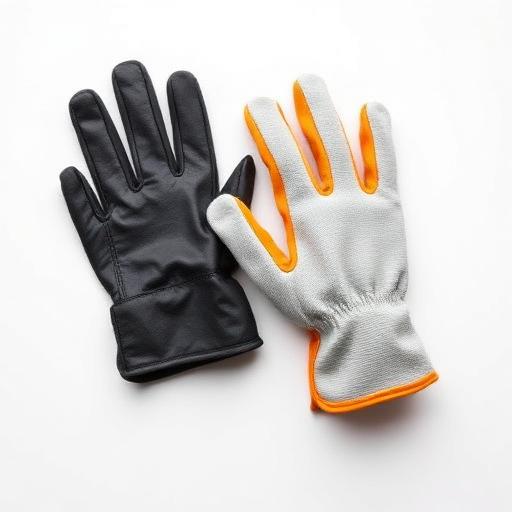
Ensuring Hand Safety in Cameroon’s Industrial Hub: The Ultimate Guide to Cut-Resistant Gloves
Douala serves as the economic heartbeat of Cameroon and the CEMAC region. From the bustling logistics operations at the Port of Douala to the metal fabrication workshops in Bassa and the food processing plants in Bonabéri, workers are exposed to sharp hazards daily. Hand injuries are among the most common workplace accidents reported to the Ministry of Labour and Social Security, often resulting in costly downtime and permanent disability. Choosing the right cut-resistant gloves is not just a regulatory requirement; it is a critical investment in your workforce's productivity and safety.
In the high-humidity environment of the Littoral region, hand protection must balance extreme durability with comfort and breathability. A glove that is too bulky will be discarded by a technician working on delicate machinery in the heat of Douala, while a glove that is too thin offers no protection against jagged metal sheets or broken glass. Understanding the technical specifications of modern Personal Protective Equipment (PPE) is the first step toward building a safer workplace. At Cameroon Safety Supplies, we prioritize matching international safety standards with the local realities of Cameroonian industry, ensuring your team stays protected without compromising on efficiency.
Decoding Global Safety Standards: ANSI vs. EN 388
When procuring safety gloves in Cameroon, you will encounter two primary rating systems: the American ANSI/ISEA 105 and the European EN 388. Since Cameroon often sources equipment from both European and global markets, understanding how these ratings overlap is vital for procurement officers in Douala and Yaoundé.
- EN 388 (European Standard): This standard uses a "Coupe Test" and the more rigorous "TDM-100 Test" (ISO 13997). Ratings are expressed as levels A through F, where F represents the highest cut resistance (above 30 Newtons of force).
- ANSI/ISEA 105 (American Standard): This scale ranges from A1 to A9. It is significantly more granular than the EN 388 standard, providing a more precise measurement for high-risk environments.
For most industrial applications in Cameroon, looking for the "shield" icon of the EN 388 standard on the back of the glove is the quickest way to verify quality. A glove rated EN 388 4X43F, for example, indicates high abrasion resistance and maximum cut resistance, making it suitable for the harshest conditions in timber processing or heavy metalwork.
Understanding ANSI Cut Levels A1 to A9
Choosing the correct cut level depends entirely on the specific task at hand. Selecting a level A9 glove for a light packaging task is an unnecessary expense (involving thousands of FCFA in wasted budget), while using an A1 glove for glass handling in a Limbe construction site is a dangerous oversight.
- Levels A1 - A3 (Light to Medium Duty): These gloves protect against nuisance cuts. They are ideal for warehouse workers in the Douala Port area handling cardboard boxes, small parts assembly, or general maintenance.
- Levels A4 - A5 (Medium to High Duty): This is the "sweet spot" for many Cameroonian industries. These levels are required for metal stamping, light glass handling, and electrical wiring where sharp edges are present.
- Levels A6 - A9 (Extra High Duty): Designed for the most hazardous environments. If your workers are involved in heavy metal fabrication, meat processing (butchery), or recycling plants handling jagged scrap metal, nothing less than A6 should be used. An A9 glove can withstand over 6,000 grams of cutting pressure.
Advanced Materials: HPPE, Kevlar, and Steel Mesh
The science of hand protection has evolved beyond simple leather or cotton. Modern cut-resistant gloves utilize high-performance materials that offer superior protection-to-weight ratios. In the tropical climate of Douala, the choice of material also dictates how long a worker can wear the PPE before heat exhaustion or discomfort sets in.
- HPPE (High-Performance Polyethylene): Often marketed under brand names like Dyneema, HPPE is incredibly strong and lightweight. It remains cool to the touch, making it a favorite for outdoor work in Cameroon’s heat. It is resistant to chemicals and moisture, which is essential for maritime and offshore applications in the Gulf of Guinea.
- Kevlar (Aramid Fibers): Kevlar is famous for being five times stronger than steel on an equal weight basis. Crucially, Kevlar is inherently flame-resistant. We recommend Kevlar gloves for Douala-based metal workers who face both cut hazards and sparks or high heat.
- Stainless Steel Mesh: Primarily used in food processing and industrial kitchens in cities like Douala and Bafoussam. These gloves are made of individually welded stainless steel rings, providing maximum protection against knife slips durante meat deboning or fish processing.
- Nitril/Polyurethane Coatings: The "palm coating" is just as important as the liner. A nitrile-coated glove provides an excellent grip in oily conditions, which is vital for mechanics and oil-field workers, while polyurethane (PU) offers better dexterity for fine tasks.
Application Specifics for Douala’s Diverse Economy
Every industry in Cameroon has unique hand safety challenges. A one-size-fits-all approach to PPE leads to accidents and wasted company resources. Here is how to apply cut-resistant standards across local sectors:
Metal Fabrication and Construction: In the industrial zones of Douala, workers frequently handle sheet metal and rebar. These materials have razor-sharp burrs. We recommend at least an ANSI A4 or EN 388 Level D glove with a reinforced thumb crotch, as this is the area that wears out fastest when handling heavy pipes or beams.
Glass Handling and Installation: Glaziers working on the modern office buildings rising in Yaoundé or Bonanjo need high-level cut protection combined with an "anti-slip" grip. A cut-resistant glove with a latex or nitrile crinkle finish prevents large glass panes from sliding, which could cause catastrophic injuries.
Agro-Industrial & Food Processing: Cameroon is a leader in food exports. In processing plants handling pineapples, cocoa, or palm oil, gloves must be food-safe (FDA/EU compliant) and cut-resistant. For large-scale butchery in local markets or industrial slaughterhouses, stainless steel mesh is the gold standard for preventing deep lacerations.
Care, Maintenance, and Replacement Cycles
To maximize your return on investment, your safety team must implement a strict inspection protocol. Even the highest-rated HPPE glove loses its effectiveness if it is saturated with oil or has developed small holes. Because of the high humidity in the Littoral region, gloves should be stored in well-ventilated areas to prevent mold and fiber degradation.
Training workers to inspect their gloves daily is a requirement under Cameroon's health and safety guidelines. If the coating is peeling, if the liner is visible through the coating, or if the glove has sustained a significant "near-miss" cut, it must be replaced immediately. Bulk purchasing from a reputable supplier like Cameroon Safety Supplies ensures that you always have a fresh inventory on hand, preventing workers from using damaged gear out of necessity.
Order from Cameroon Safety Supplies
Protecting your workforce is a priority that cannot be delayed. Whether you are managing a construction site in Yaoundé, a logistical hub in the Port of Douala, or a manufacturing plant in the West Region, Cameroon Safety Supplies provides the highest quality, certified cut-resistant gloves tailored to your specific industry needs. We offer competitive pricing in FCFA and expert guidance on international safety compliance.
Don't wait for an accident to happen. Secure your team’s safety today by consulting with our PPE specialists.
Contact us now to get a free quote for bulk cut-resistant gloves and other essential safety equipment in Cameroon.