
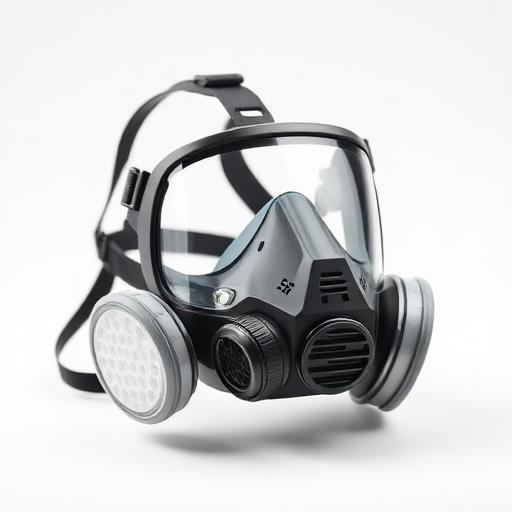
Protecting Lungs, Empowering Workers: Respiratory Protection for Cameroon's Cement & Mining Industries
Cameroon's industrial landscape is dynamic and growing, with the cement and mining sectors forming a critical backbone of its economy. From the bustling cement plants of Douala and Yaoundé to the mineral-rich quarries of Bafoussam and the mining operations near Kribi and Garoua, these industries present unique and significant respiratory hazards. Dust, silica, fumes, and gases are ever-present, posing serious long-term health risks to workers if not properly managed. At Cameroon Safety Supplies, we understand these challenges intimately and are dedicated to providing the highest quality, compliant, and cost-effective respiratory protection solutions tailored for the Cameroonian context.
This comprehensive guide will delve into the intricacies of selecting, maintaining, and implementing effective respiratory protection programs for cement factories, quarries, and mining sites across Cameroon. We'll cover everything from understanding FFP ratings to the critical importance of fit testing and establishing robust replacement schedules, ensuring your workforce breathes safely and your operations remain compliant.
Understanding the Respiratory Hazards in Cement and Mining
Before selecting any personal protective equipment (PPE), a thorough understanding of the specific hazards present is paramount. In Cameroon’s cement and mining industries, these typically include:
- Cement Dust: Contains crystalline silica, calcium oxide, chromium, and other heavy metals. Inhalation can cause silicosis, chronic obstructive pulmonary disease (COPD), asthma, and even lung cancer.
- Crystalline Silica (Quartz Dust): Ubiquitous in quarrying, crushing, and drilling activities. Exposure to respirable crystalline silica (RCS) is a primary cause of silicosis, a debilitating and irreversible lung disease.
- Metal Fumes: Generated during welding, cutting, or smelting operations often found in mining machinery maintenance. Can lead to metal fume fever, respiratory irritation, and chronic lung conditions.
- Diesel Exhaust Particulates (DEP): Common in mining vehicles and heavy machinery. DEP contains carcinogens and can exacerbate respiratory diseases.
- Gases and Vapors: Depending on the specific mining operation, workers might be exposed to carbon monoxide, methane, hydrogen sulfide (H2S), nitrogen oxides (NOx), or sulfur dioxide (SO2).
- Asbestos (Historical Sites): While less common in new operations, older facilities or legacy materials in mines might still present asbestos risks, requiring specialized respiratory protection.
A detailed risk assessment conducted by competent HSE professionals is the first step. This assessment should quantify hazard levels, identify exposure pathways, and determine the appropriate control measures, with respiratory protection being a critical component when other controls (ventilation, dust suppression) are insufficient.
Key Respirator Types and FFP Ratings for Industrial Use
Choosing the right respirator is not a one-size-fits-all decision. The selection depends heavily on the type and concentration of airborne contaminants, as well as the specific task being performed and the environment. Here’s a breakdown of common respirator types and their FFP (Filtering Face Piece) ratings, which are crucial for compliance with European (EN) standards widely recognized in Cameroon:
Filtering Face Piece (FFP) Respirators / Disposable Dust Masks
These are disposable, low-maintenance respirators designed to filter out particulate matter. They are classified according to their filtration efficiency:
- FFP1 (Minimum 80% filtration): Suitable for protection against non-toxic dusts and aerosols. Often used for general nuisance dusts where specific hazardous particulate exposures are low. In a cement factory, an FFP1 might be suitable for administrative staff visiting non-production areas, but generally insufficient for direct production work.
- FFP2 (Minimum 94% filtration): Offers protection against moderate levels of fine toxic dusts, solid and liquid aerosols. This is a common choice for many tasks within cement plants and quarries, such as general maintenance, cleaning, or areas with moderate dust levels. Equivalent to N95 in NIOSH (US) ratings.
- FFP3 (Minimum 99% filtration): Provides the highest level of protection against fine toxic dusts, mists, fumes, and aerosols, including substances like asbestos, silica, and welding fumes. FFP3 respirators are essential for direct work in areas with high concentrations of silica dust (e.g., crushing, grinding, drilling), specific mining operations, or handling hazardous chemicals in particulate form. Equivalent to N99/P100 (half-face) in NIOSH ratings.
Selection Tip: Always err on the side of higher protection. For cement and mining, FFP2 and FFP3 are the most commonly required disposable masks for workers in active production or excavation zones.
Reusable Half-Mask Respirators (Elastomeric Respirators)
These respirators feature a durable facepiece (silicone or thermoplastic) and replaceable cartridges or filters. They offer higher levels of protection and are more economical in the long run for regular users. They can be fitted with:
- Particulate Filters (P-series EN standards, P1, P2, P3): Similar to FFP ratings, P3 filters offer the highest protection against particulates and are often used for silica, asbestos, and heavy metal dusts.
- Gas and Vapor Cartridges (A, B, E, K, etc.): Designed to absorb specific gases or vapors. For example, A-type cartridges filter organic vapors, B-type filter inorganic gases, etc. Combination cartridges (e.g., ABEK-P3) offer protection against multiple hazards.
Application: Ideal for workers in permanent dusty environments, welders, chemical handlers, or those exposed to a mix of particulate and gaseous hazards. The cost per use is lower than disposable masks, especially with Cameroon Safety Supplies’s competitive pricing on filters and cartridges in Douala and Yaoundé.
Full-Face Respirators
These provide the same air-purifying capabilities as half-masks but also offer essential eye and face protection. They are crucial where eye irritation from dust or chemical splashes is a concern, or where higher protection factors are required.
Powered Air-Purifying Respirators (PAPRs)
PAPRs use a battery-powered fan to draw contaminated air through a filter and deliver purified air into a hood, helmet, or facepiece. They offer several advantages:
- Comfort: The positive pressure makes breathing easier, reducing wearer fatigue.
- Higher Protection Factor: Can deliver very high assigned protection factors (APF), often significantly higher than traditional negative-pressure respirators.
- Suitable for Facial Hair: Some PAPR configurations (e.g., loose-fitting hoods) can be used by individuals with facial hair who cannot achieve a seal with tight-fitting respirators.
Application: Highly recommended for prolonged work in extremely dusty or hazardous environments (e.g., confined spaces in mines, extended silica exposure tasks), particularly for workers with pre-existing respiratory conditions or those who find negative-pressure respirators uncomfortable. Cameroon Safety Supplies can help you explore suitable PAPR systems from leading global manufacturers.
The Non-Negotiable Step: Respirator Fit Testing
Even the best respirator is useless if it doesn't fit properly. A tight seal between the respirator and the wearer's face is absolutely critical to prevent contaminants from leaking in. This is where fit testing comes in.
Why is Fit Testing Essential?
- Ensures Efficacy: It verifies that the chosen respirator effectively protects the individual user.
- Compliance: It's a mandatory requirement under international and best-practice safety standards (e.g., OSHA, EN 529), crucial for any responsible company operating in Cameroon.
- Prevents Illness: Improperly fitting respirators can lead to long-term occupational diseases despite workers "wearing" PPE.
Types of Fit Testing:
- Qualitative Fit Testing (QLFT): A subjective test that relies on the wearer's ability to detect a test agent (e.g., saccharin or Bitrex spray) while wearing the respirator. If they taste or smell the agent, the fit is inadequate.
- Quantitative Fit Testing (QNFT): An objective, instrument-based test that uses a machine to measure the amount of leakage into the respirator. This provides a numerical "fit factor" which indicates how well the respirator seals to the face. QNFT is generally preferred for higher-hazard environments and full-face respirators.
Cameroon Safety Supplies Recommendation: Invest in regular qualitative and, where appropriate, quantitative fit testing. We can connect you with certified professionals in Douala, Yaoundé, and Limbe who conduct fit testing services and help train your staff. Remember, fit testing must be performed annually or whenever there is a significant change in the wearer's facial features (e.g., weight gain/loss, dental work).
Establishing Effective Respirator Replacement Schedules
A respirator is only effective for a finite period. Over time, filters clog, cartridges become saturated, and components degrade. Establishing clear replacement schedules is crucial for sustained protection.
Factors Influencing Replacement Schedules:
- Exposure Levels: Higher contaminant concentrations mean filters/cartridges will saturate faster.
- Work Rate: Increased breathing rates (heavy exertion) draw more air through the filter, reducing its lifespan.
- Humidity: High humidity (common in coastal Cameroon cities like Limbe and Kribi) can reduce the capacity of some gas/vapor cartridges.
- Manufacturer's Recommendations: Always adhere to the manufacturer's guidelines for filter and cartridge replacement.
- User Perception: For gas/vapor cartridges, workers should be trained to replace them immediately if they smell, taste, or feel irritation from the contaminant. For particulate filters, replacement is needed when breathing resistance becomes noticeable, or the filter appears dirty/damaged.
- Storage Conditions: Improper storage (e.g., exposure to dirt, moisture, or direct sunlight) can degrade respirator components quickly.
General Guidelines:
- Disposable FFP Masks: Replace after each use, or immediately if structurally damaged, soiled, or breathing resistance increases significantly. Never reuse disposable masks after they’ve been removed or if they've been contaminated.
- Particulate Filters (P3): Typically replaced when breathing becomes difficult, or at specified intervals (e.g., weekly, monthly) based on usage and environment. Many mines in Cameroon set conservative weekly or bi-weekly replacement schedules for heavy-duty P3 filters.
- Gas/Vapor Cartridges: Replace when the contaminant is detected by the wearer (breakthrough), or at pre-determined intervals based on contaminant concentration, usage time, and manufacturer data. Some cartridges have end-of-service-life indicators.
Cameroon Safety Supplies maintains a robust inventory of filters, cartridges, and spare parts for leading respirator brands, ensuring that cement factories and mining operations across Cameroon can maintain their replacement schedules without disruption. We encourage bulk ordering for cost efficiency.
Beyond the Mask: A Holistic Respiratory Protection Program
Providing respirators is just one piece of the puzzle. A truly effective respiratory protection program encompasses several vital elements:
- Hazard Assessment: Ongoing identification and quantification of airborne hazards.
- Medical Evaluation: Ensuring workers are medically fit to wear respirators, especially tight-fitting types, as they can sometimes place a strain on the heart and lungs. This should be part of pre-employment and periodic health checks for workers in critical roles.
- Respirator Selection: Based on hazard assessment, medical fitness, and specific task requirements.
- Training: Comprehensive training for all respirator users on proper donning and doffing, fit checks, maintenance, cleaning, storage, and understanding the limitations of their PPE. This is often overlooked but critical for success.
- Fit Testing: As detailed above, an annual, mandatory requirement.
- Maintenance & Storage: Clean, dry, and cool storage is essential. Reusable respirators must be cleaned and disinfected after each use according to manufacturer instructions.
- Record Keeping: Maintaining records of hazard assessments, medical evaluations, fit tests, training, and equipment issuance is crucial for compliance and program evaluation.
- Program Evaluation: Regularly reviewing the effectiveness of the program, seeking feedback from workers, and making necessary adjustments.
Implementing such a comprehensive program might seem daunting, but it’s an investment in worker health, operational continuity, and compliance. Cameroon Safety Supplies can serve as your partner, providing not just the equipment but also expert advice on building and maintaining a robust program.
Logistics and Supply for Cameroon's Industries
For operations in locations like Garoua, which are far from major ports, efficient logistics are paramount. Cameroon Safety Supplies leverages its strategic position and extensive network to ensure timely and reliable delivery of essential PPE. Our partnerships with global manufacturers mean we can supply certified respirators (EN, ANSI, AS/NZS standards) and components, even for large-scale operations.
Whether you're in a Douala cement plant requiring daily replenishment of FFP2 masks, a Kribi mining site needing specialized PAPR systems, or a Bafoussam quarry seeking durable half-mask respirators and P3 filters, Cameroon Safety Supplies is your trusted partner. We understand the local market, the regulatory environment, and the need for competitive pricing in FCFA, coupled with uncompromising quality.
Protecting the respiratory health of your workforce is not just a regulatory obligation; it’s a moral imperative and a smart business decision. Healthy workers are productive workers. By implementing a diligent respiratory protection program with high-quality, certified equipment from Cameroon Safety Supplies, you foster a safer, more sustainable industrial environment for Cameroon.
Ready to elevate your respiratory protection standards and ensure your workforce breathes clean, safe air?
Request a free quote from Cameroon Safety Supplies today and let our experts help you select the ideal respiratory solutions for your cement factory, quarry, or mining operation in Cameroon.