
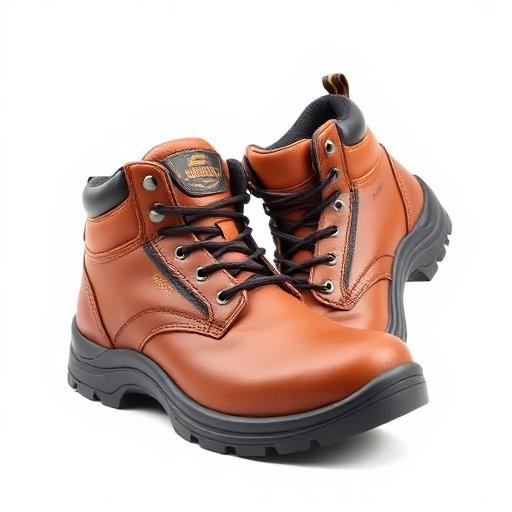
Essential Guide to Selecting Warehouse Safety Footwear in Cameroon
The logistics and warehousing sector in Cameroon is experiencing unprecedented growth. From the bustling transit hubs surrounding the Douala Autonomous Port to the industrial zones in Bassa and the distribution centers in Yaoundé’s Magzi zones, warehouse staff are the backbone of the supply chain. However, working in a warehouse environment presents significant risks, ranging from heavy pallets falling on toes to slips on oily surfaces or punctures from stray nails. Providing your team with the correct Personal Protective Equipment (PPE) is not just a safety requirement; it is a legal mandate under the Cameroon Ministry of Labour and Social Security (MINTSS) regulations regarding occupational health.
Selecting the right safety boots requires a deep understanding of international safety standards and how they apply to the specific climatic and structural conditions in Cameroon. High humidity in Douala can lead to rapid material degradation, while the uneven surfaces of older warehouses necessitate superior ankle support and slip resistance. This guide breaks down everything warehouse managers and procurement officers need to know to ensure their workers stay protected, comfortable, and productive.
Understanding EN ISO 20345 Safety Ratings
When shopping for safety footwear in Cameroon, the most important certification to look for is EN ISO 20345. This European standard ensures that the footwear has been tested to withstand 200 joules of impact and 15kN of compression. Within this standard, boots are categorized into different "S" ratings based on their protective features. For warehouse environments, three specific ratings are most common:
- S1: These are the baseline for indoor warehouse work. They feature a protective toe cap (200J), antistatic properties, and energy absorption in the heel. They are ideal for staff working in dry environments where liquid spills are rare.
- S2: Including all S1 features, S2 boots also have a water-resistant upper. These are highly recommended for loading dock workers in Limbe or Kribi who may be exposed to rain during the loading and unloading of containers.
- S3: This is the gold standard for full protection. S3 boots offer everything S2 provides, plus a puncture-resistant midsole (either steel or Kevlar). If your warehouse handles wooden pallets that may have protruding nails, S3 is the safest choice for your team.
At Cameroon Safety Supplies, we stock a wide range of S1P and S3 rated boots specifically selected for their durability in the African climate, ensuring that your investment lasts longer than cheap, non-certified alternatives.
Steel Toe vs. Composite Toe: Making the Right Choice
One of the most frequent questions we receive from procurement officers in Bafoussam and Douala is whether to choose steel or composite toe caps. Neither is "better" in a vacuum; the choice depends on the specific warehouse application.
Steel Toe Caps:
Steel is the traditional choice. It is thinner than composite materials, meaning the boot often has a lower profile. Steel toe caps provide excellent protection against heavy falling objects, such as heavy machinery parts or stacked crates. However, steel conducts heat. In the high-temperature environments of a non-air-conditioned warehouse in Cameroon, steel toes can sometimes become uncomfortably warm during long shifts.
Composite Toe Caps:
Made from materials like carbon fiber, fiberglass, or plastic, composite toes are entirely metal-free. This makes them significantly lighter, reducing worker fatigue during 12-hour shifts. Because they don't conduct heat, they stay cooler in the Douala heat. Furthermore, if your facility uses metal detectors for security (common in high-value electronics warehousing), composite boots allow staff to pass through checkpoints without triggering alarms.
Anti-Slip Outsoles and Oil Resistance
Slip and trip accidents are the leading cause of workplace injuries in Cameroonian warehouses. In facilities where forklifts and reach trucks operate, hydraulic fluid or oil leaks are a constant hazard. Therefore, the outsole of the safety boot is just as important as the toe cap.
Look for boots with SRC slip resistance. This is the highest rating, meaning the boot has been tested on ceramic tile wetted with dilute soap solution and on smooth steel with glycerol. For warehouse staff in Cameroon, we recommend outsoles made from Dual-Density Polyurethane (PU). Dual-density PU provides a soft inner layer for comfort and a hard, durable outer layer for excellent grip and abrasion resistance.
Additionally, ensure the boots are marked as FO (Fuel Oil Resistant). Standard rubber soles can swell and degrade when they come into contact with hydrocarbons, leading to the sole detaching from the boot. Oil-resistant soles maintain their integrity, ensuring the boot remains safe and functional for its intended lifespan.
Comfort and Ergonomics for Long Shifts
A safety boot that is uncomfortable will not be worn properly, or worse, will cause long-term musculoskeletal issues for the worker. In the Cameroonian context, where "back-to-back" shifts are common, ergonomics should be a priority for procurement teams. Key features to look for include:
- Breathability: Given our tropical climate, shoes with moisture-wicking linings (like Coolmax) help prevent fungal infections and keep feet dry, even when the humidity in the warehouse is high.
- Energy Absorption: Look for the "E" marking on the safety rating. This indicates that the heel is designed to absorb impact, which is vital for workers who spend all day walking on hard concrete floors.
- Padded Collars and Tongues: These prevent friction burns and blisters, especially during the "break-in" period of a new pair of boots.
While a high-quality pair of boots might cost between 25,000 FCFA and 45,000 FCFA per pair, the reduction in sick leave and the increase in worker morale often result in a much lower Total Cost of Ownership (TCO) compared to budget footwear that needs replacing every three months.
Popular Brands and Local Availability
For organizations operating in Cameroon, sourcing recognized brands is essential for compliance and quality assurance. Brands like Vaultex, Caterpillar (CAT), Delta Plus, and Rocklander have become benchmarks in the local market. These brands offer a variety of models that comply with international ISO standards while being rugged enough to handle the dusty and often challenging terrain surrounding industrial sites in the Littoral and Centre regions.
As a leading PPE supplier in Cameroon, Cameroon Safety Supplies works directly with global manufacturers to ensure that every pair of boots we sell meets the strict safety criteria required by international insurance companies and local labor inspectors. Whether you need 50 pairs for a new fulfillment center in Yaoundé or 500 pairs for a logistics hub in Douala, choosing a local partner ensures you receive authentic products rather than dangerous counterfeits.
Order from Cameroon Safety Supplies
Protect your warehouse staff with the best safety footwear available in Cameroon. At Cameroon Safety Supplies, we provide expert consultations to help you choose the right EN ISO 20345 rated boots for your specific operational needs. We offer competitive bulk pricing in FCFA and reliable delivery to your site in Douala, Yaoundé, or beyond.
Contact our safety specialists today to get a free quote and ensure your team is equipped for maximum safety and performance.