
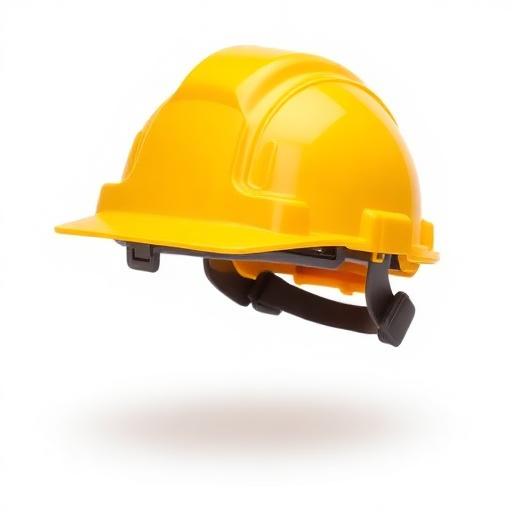
Ensuring Head Protection Excellence in Cameroon’s Growing Infrastructure Sector
As Cameroon undergoes a massive infrastructure transformation—from the expansion of the Douala autonomous port to the modernization of highway networks linking Yaoundé and Bafoussam—the importance of site safety has never been more critical. Construction remains one of the highest-risk industries in Central Africa, with falling objects and structural collapses posing constant threats to workers. Compliance with the regulations set by the Ministry of Labour and Social Security (MINTSS) is no longer just a legal formality; it is a vital operational requirement to protect human life and avoid costly site shutdowns.
A safety helmet, or hard hat, is the first and most essential line of defense for any technician or laborer on a Cameroonian job site. However, not all helmets are created equal. The tropical climate of the Gulf of Guinea, characterized by high humidity in Limbe and intense heat in the northern regions, demands specific head protection features to ensure long-term wearability and safety. In this guide, we break down the top-tier safety helmets for 2026, focusing on international standards, comfort in tropical heat, and where to source authentic equipment locally through Cameroon Safety Supplies.
Understanding International Standards: EN 397 vs. ANSI Z89.1
In the Cameroonian market, you will encounter two primary international standards for head protection. Understanding these is crucial for procurement officers managing large-scale projects like the Nachtigal Dam or residential developments in Douala’s Akwa district.
- EN 397 (European Standard): This is the most common standard found in Cameroon. It specifies physical and performance requirements, including shock absorption, resistance to penetration, and flame resistance. Helmets meeting this standard are designed to protect the wearer against falling objects.
- ANSI/ISEA Z89.1 (American Standard): Often preferred by international oil and gas firms operating in the Bakassi or Limbe regions. This standard categorizes helmets into Type I (top impact) and Type II (top and lateral impact), as well as Electrical Classes (G, E, and C).
For most civil engineering projects in Cameroon, an EN 397 certified helmet is the gold standard. When purchasing, always check for the CE mark or the ANSI label molded into the shell of the helmet to ensure you are not buying counterfeit or substandard plastics that degrade quickly under the intense African sun.
The Tropical Dilemma: Ventilated vs. Non-Vented Helmets
Choosing between a ventilated and a non-vented helmet is a critical decision based on the specific work environment in Cameroon. Heat stress is a major factor in worker fatigue and accidents.
Ventilated Helmets: These models feature small openings or "vents" that allow hot air to escape and cool air to circulate. In high-humidity zones like Douala, a ventilated helmet is highly recommended for standard construction, masonry, and roadwork. It significantly reduces the temperature inside the helmet, preventing dizziness and over-perspiration. However, these are strictly forbidden for electrical work as the vents provide a path for electricity.
Non-Vented (Unventilated) Helmets: These are essential for electricians and utility workers. They provide protection against electrical shocks (often rated Class E or Class G). Furthermore, in chemical processing plants or heavy industrial sites where liquid splashes are a risk, non-vented helmets prevent hazardous materials from reaching the scalp. At Cameroon Safety Supplies, we recommend non-vented helmets primarily for those working on power distribution projects or high-risk chemical environments.
Top Safety Helmets Recommended for the 2026 Construction Season
Based on durability, comfort, and compliance, the following models have proven to be the most reliable for the Cameroonian market and the wider CEMAC region:
- MSA V-Gard® Series: Known globally as the "V" helmet, this is the industry standard. It features high-density polyethylene (HDPE) shells and a premium suspension system. It is exceptionally durable against the heavy rainfall experienced in the South-West and Littoral regions.
- Portwest Endurance High Vis Helmet: A favorite for road construction projects on the Bamenda-Enugu corridor. Portwest offers excellent visibility and often comes with a 4-point chin strap, ensuring the helmet stays secure even when working at heights or in windy conditions.
- JSP EVO® Series: These helmets are famous for their "Evolutionary" 3D precision fit. They offer one of the most comfortable harness systems available, which is vital for workers spending 10 to 12 hours on site.
- Petzl Alveo/Vertex: While more expensive, these are the go-to for technicians working on telecommunications towers or high-rise buildings in Yaoundé, offering specialized protection for work-at-height and rescue operations.
Suspension Types and Maintenance: Keeping Workers Comfortable
The "suspension" is the internal frame that maintains the gap between the helmet shell and the wearer's head. It is this gap that absorbs the shock of an impact. In Cameroon, where dust and sweat are prevalent, the maintenance of these suspensions is often overlooked.
- Ratchet Suspension: Uses a knob at the back to tighten or loosen the fit. This is the most popular choice as it allows for quick adjustments, even while wearing gloves.
- Pin-Lock Suspension: Operates like a belt buckle. It is more affordable but less convenient for frequent adjustments.
- Sweatbands: Essential for the Cameroon climate. Look for helmets with replaceable, moisture-wicking sweatbands. A saturated or dirty sweatband can lead to skin irritation and fungal infections in tropical heat.
Pro-Tip: Safety helmets have an expiry date. Most HDPE helmets should be replaced every 3 to 5 years, regardless of their appearance. The UV radiation in Cameroon accelerates the "brittleness" of plastic. If a helmet shell looks faded (chalky), it is past its safe life and must be decommissioned immediately.
Calculating the ROI of Quality PPE in Cameroon
Many contractors in Douala and Yaoundé are tempted by "cheap" unbranded helmets sold in local markets, often costing as little as 3,500 FCFA. However, these low-quality plastics often fail penetration tests and offer zero genuine impact protection. A single work-related head injury can result in millions of FCFA in medical bills, legal liabilities from the Ministry of Labour, and devastating loss of productivity.
Investing in a high-quality helmet (ranging from 8,000 FCFA to 25,000 FCFA depending on the brand and features) ensures that your workforce remains safe and your project remains compliant with international insurance requirements. Furthermore, premium brands like MSA and Portwest are designed to integrate seamlessly with other PPE, such as ear muffs and face shields, providing a comprehensive safety solution.
Order from Cameroon Safety Supplies
Cameroon Safety Supplies is Cameroon’s premier partner for authentic, certified personal protective equipment. We understand the unique challenges of the local construction and industrial landscape, providing only the highest quality head protection that meets EN and ANSI standards. Whether you are managing a small residential build or a multi-million dollar infrastructure project, we offer bulk pricing and fast delivery across Douala, Yaoundé, and the rest of the country.
Don't compromise on the safety of your team. Ensure your workers are protected with the best headgear available in 2026. Reach out to our technical sales team today for a tailored quote and expert advice on selecting the right helmets for your specific site conditions.
Ready to secure your site? Get a free quote for safety helmets today.